Construction
Building Plan Approval in Quetta: NOC, Site Plan and Map Approval Steps
What you need before building a house in Quetta: which authority approves your plan, the NOC, site plan and building permit steps, the documents QDA lists, and how to avoid delays.
By Naimat Khan6 min read
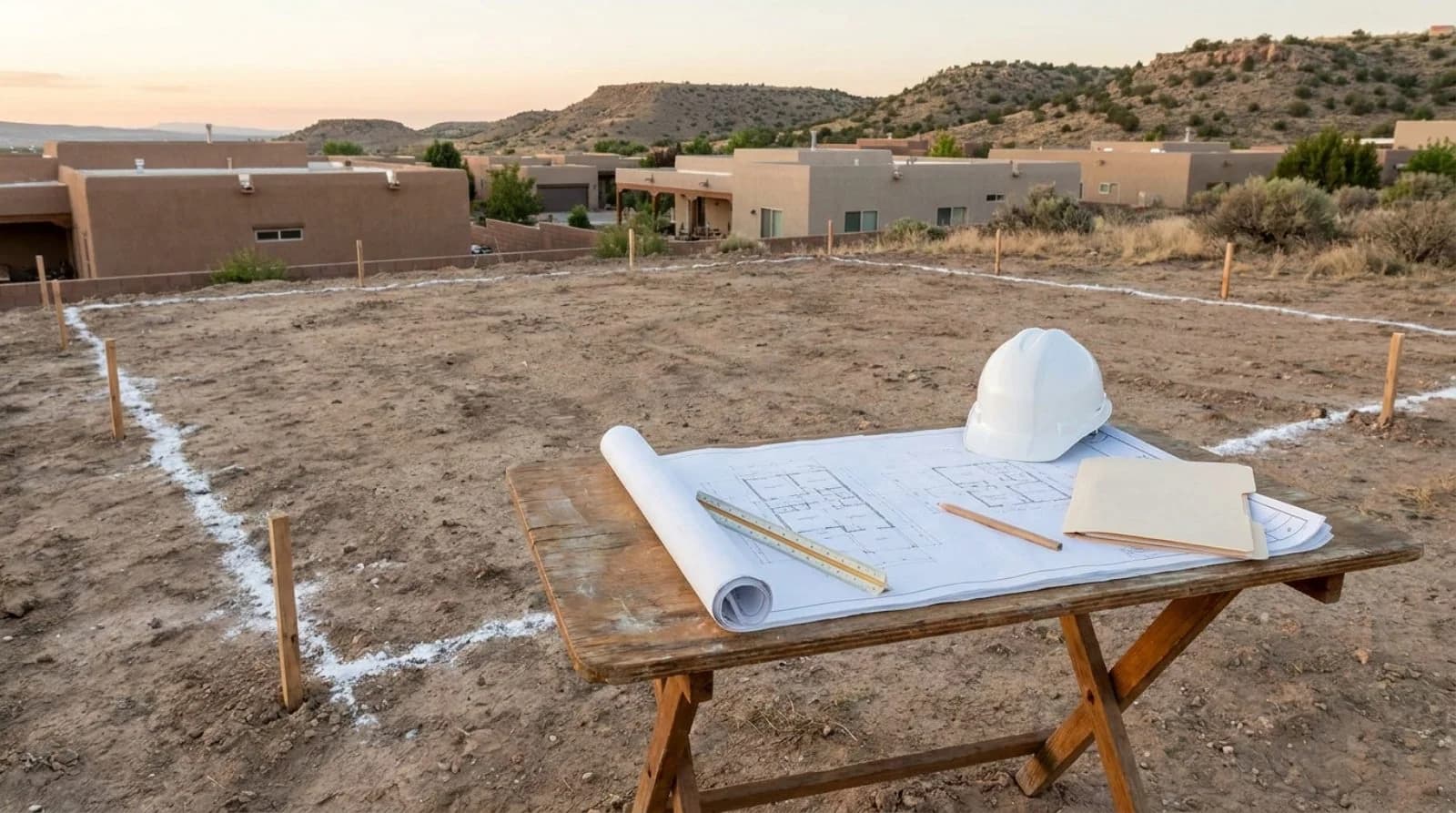
Before you start building a house in Quetta, you normally need permission from the authority that controls your plot: a no-objection certificate (NOC) confirming the plot is clear, a site plan, and an approved building plan (often called the "map") prepared by a registered architect. Which office issues these depends on where the plot is: a Quetta Development Authority (QDA) scheme, the Metropolitan Corporation area, the cantonment, DHA Quetta or a private housing society. Starting work without building plan approval in Quetta risks notices, fines or demolition of the unapproved part.
This guide explains the usual approval steps, the documents to prepare, and how to avoid delays. It is general guidance; fees, forms and rules change, so confirm the current requirements with your authority before submitting.
Which authority approves your building plan in Quetta?
Start by identifying the controlling authority. Submitting to the wrong office is one of the most common causes of delay.
| Where the plot is | Who usually handles approval | What to ask |
|---|---|---|
| QDA's own housing schemes | QDA Estate Directorate (NOC) and Building Control Section (site plan, permit) | Current forms, fees, and the QDA Building Rules that apply |
| Metropolitan Corporation area | Quetta Metropolitan Corporation (QMC) | Building plan submission process and applicable building code |
| Cantonment area | The cantonment board | Its own building bylaws and submission requirements |
| DHA Quetta | DHA Quetta's own building control office | DHA's construction regulations, drawings required and inspections |
| Private housing society | The society, within the approval granted to the scheme | Whether the scheme itself has QDA approval and an approved layout plan |
If you are not sure, ask the seller or society for the plot's allotment and approval documents, and check them with the authority named on them.
Building plan approval in Quetta: the usual steps
For individual plots in QDA's own schemes, QDA's published procedure has three stages. Other authorities follow a broadly similar logic, though the names and documents differ.
Step 1: No-objection certificate (NOC)
QDA's Estate Directorate checks that the plot is properly allotted and that dues are clear. According to QDA, you apply after all dues are cleared, with:
- An application (original)
- A photocopy of the owner's CNIC
- The original allotment order
- The original payment or instalment book
Any observations are communicated to the allottee; if there are none, the NOC is issued.
Step 2: Site plan
Next, QDA's Building Control Section issues a site plan showing the plot's dimensions and position. QDA lists the application, a CNIC copy and the original NOC from the Estate Directorate as the documents required.
Step 3: Building permit and possession
The building design is then checked against QDA's Building Rules before a permit is issued. QDA lists:
- An application (original) and a CNIC copy
- The original site plan
- Payment of the map, security and possession fee through the designated bank (QDA names NBP)
- Detailed drawings and a layout plan signed and stamped by an architect registered with the Pakistan Council of Architects and Town Planners (PCATP)
QDA states that the Chief Architect issues the permit and possession after scrutiny.
What the drawings should include
Exact requirements vary by authority, but a complete submission typically includes architectural plans for each floor, elevations and sections, a site or location plan, and, where required, structural drawings. Ask your architect to confirm the authority's checklist before submission. Common points that are checked include:
- Setbacks from the front, rear and sides of the plot
- Covered area and number of storeys allowed
- Building height
- Parking, drainage and access
- Structural design suitable for Quetta's seismic risk
Quetta's building code and earthquake considerations
Quetta lies in a high seismic zone, and its building rules have historically been strict about height. A 2019 Zameen News report said the Metropolitan Corporation was updating a decades-old code that limited buildings to 30 feet, with a proposal to allow up to 60 feet and to require an expert engineer to prepare building maps. A 2023 ProPakistani report said conditional permission for taller buildings had been introduced, subject to reviews such as soil testing and drainage.
Because these reports describe proposals and changes over several years, confirm the current height limit and structural requirements for your plot with the authority. For practical design advice, see our guide to building a house for Quetta's climate and earthquake safety.
Other permissions and connections to plan for
- Utility connections. Electricity (QESCO), gas (SSGC) and water and sewerage connections usually need their own applications. Ask what approved-plan documents each provider needs.
- Completion or occupancy. Some authorities issue a completion certificate after inspecting the finished house against the approved plan. Ask early whether one is required, because deviations found at this stage are harder to fix.
- Changes during construction. If you want to change the approved design, ask whether a revised plan must be submitted before building it.
How to avoid delays and problems
- 1Clear dues first. QDA's NOC is issued only after dues are cleared, and other bodies have similar checks.
- 2Use a registered architect. QDA requires drawings signed and stamped by a PCATP-registered architect.
- 3Keep originals ready. Several stages ask for original documents, such as the allotment order and site plan.
- 4Do not start before approval. Excavation or foundations before the permit can lead to notices or penalties.
- 5Build what was approved. Unapproved additions can be targeted later; Zameen News reported in 2019 that the Metropolitan Corporation acted against structures built beyond what QDA had approved.
- 6Keep copies of everything. Approved drawings are useful for utility connections, completion and future sale.
Approvals are only the first stage of a build. Our construction timeline for a 10 marla house explains what comes next, and our guide to labour-only vs complete construction contracts helps you choose how to hire a contractor.
How NASASI Estate helps
NASASI Estate provides construction services and property advisory in Quetta. We can help you identify the right approving authority, organise documents, and plan your build around the approval process. For overseas owners, we can coordinate locally while you are abroad.
Frequently asked questions
Do I need building plan approval for a house in Quetta?
In general, yes. Construction in planned areas is expected to follow a plan approved by the controlling authority, such as QDA, the Metropolitan Corporation, the cantonment or DHA Quetta. Confirm the rules for your plot with that authority.
Who can prepare the drawings?
For QDA schemes, drawings must be signed and stamped by an architect registered with the Pakistan Council of Architects and Town Planners. Other authorities may also require structural drawings from a qualified engineer.
How long does approval take?
QDA's procedures page does not publish a timeline for individual house approvals. Ask the authority when you submit, and allow time for observations and resubmission.
Can I build first and get approval later?
This is risky. Unapproved construction can lead to notices, fines or demolition, and may cause problems when you connect utilities or sell.