Property Guide
Askari Colonies in Pakistan: How to Compare Locations and Housing Options
Compare Askari Colonies in Pakistan by location, houses and flats, prices, maintenance, security, ownership documents, and property investment needs.
By Naimat Khan11 min read
Askari Colonies in Pakistan: How to Compare Locations and Housing Options
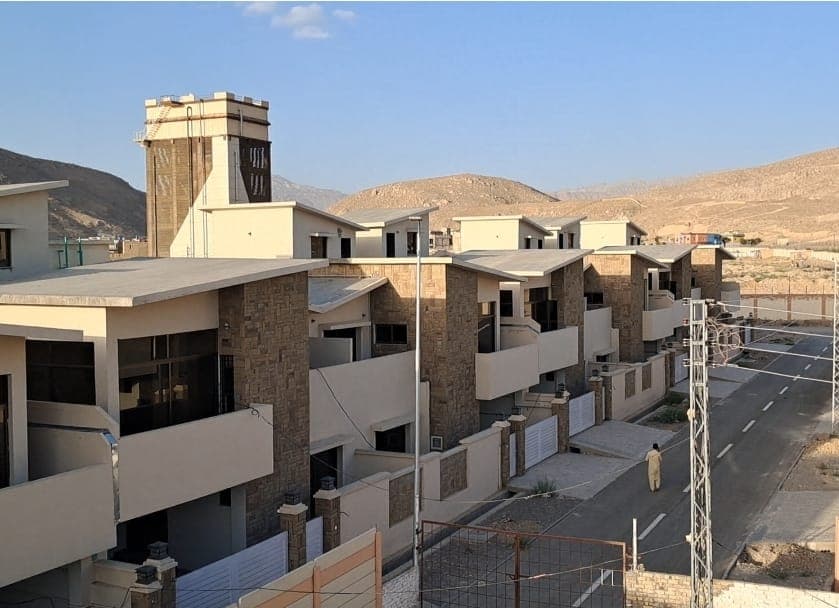
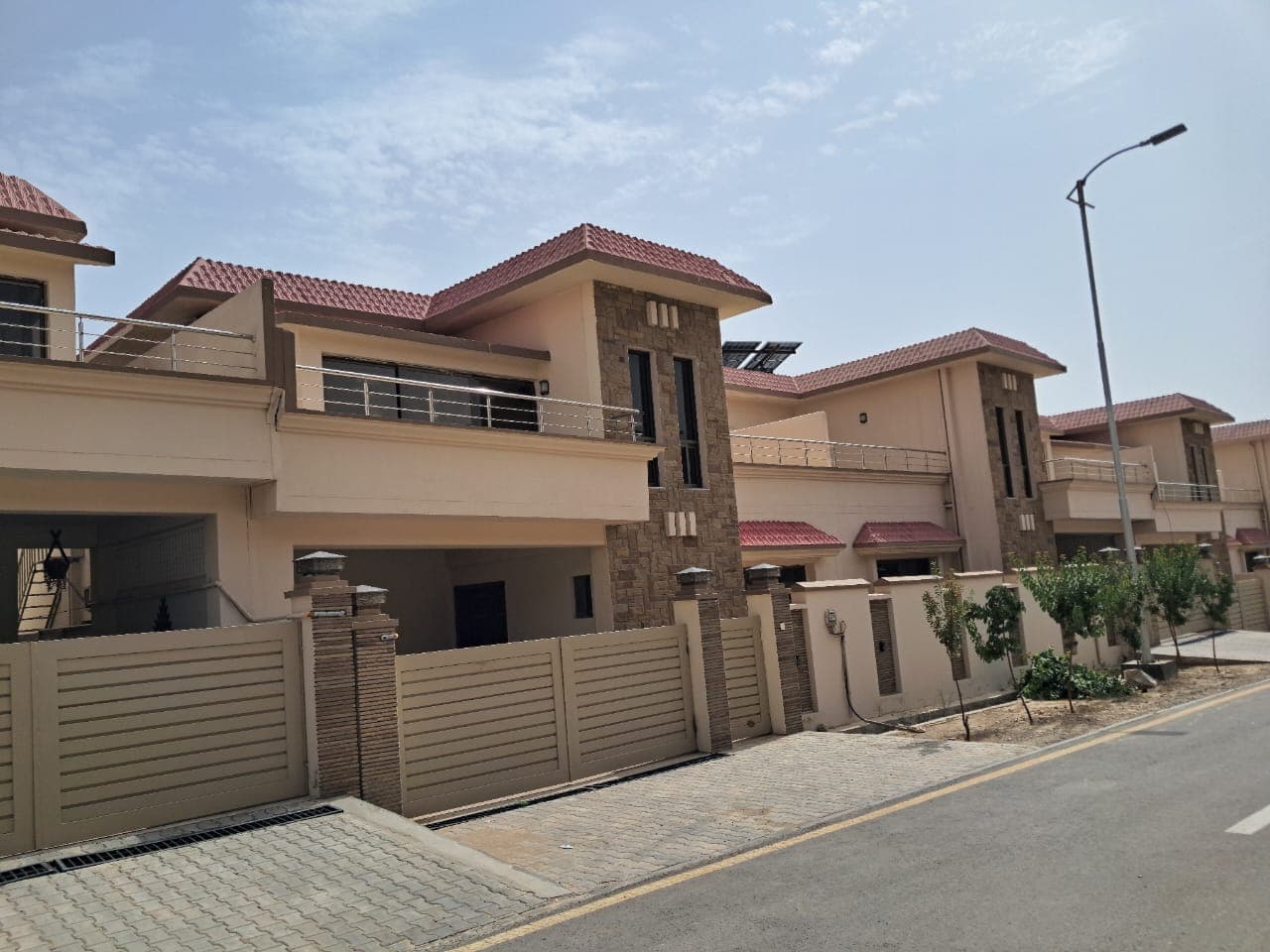
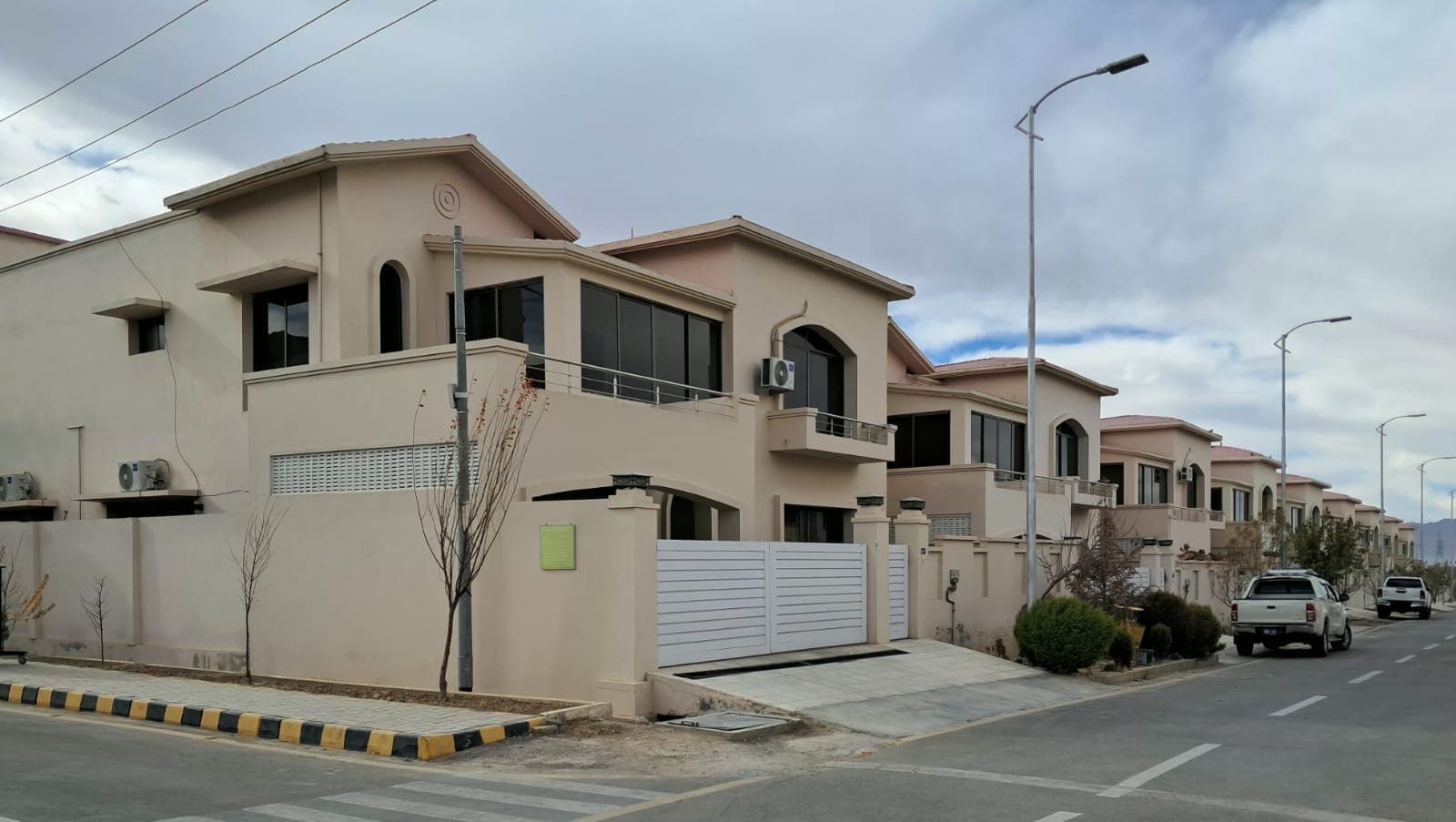
Askari Colonies in Pakistan are residential options that many families consider when looking for a home in an organised housing environment. Buyers may compare different Askari locations based on affordability, property type, accessibility, maintenance, security arrangements, and proximity to work or family.
However, not every Askari Colony offers the same housing options, facilities, property documentation, or market conditions. A house or flat that suits one family may not be the right choice for another. Before purchasing or renting, it is important to assess the specific location and property rather than relying on the name of a residential community alone.
This guide explains how to compare Askari Colonies across Pakistan, evaluate available housing options, and make a more informed property decision.
1. Understand the Different Askari Locations
Askari residential developments are found in several Pakistani cities, including Lahore, Karachi, Rawalpindi and Islamabad's wider residential market, and other locations where Askari housing projects are available.
Each location has its own property market, transport links, housing stock, and surrounding facilities. Even within one city, different Askari areas can vary in accessibility, building condition, and available property types.
When comparing locations, start by identifying the cities and residential areas that genuinely suit your requirements.
For example:
- Lahore: Buyers may compare Askari locations based on their commute, family requirements, property type, and access to everyday facilities.
- Karachi: Consider road connectivity, access to workplaces, utilities, building maintenance, and the specific characteristics of the residential area.
- Rawalpindi: Evaluate access to employment centres, educational institutions, transport routes, and the needs of your household.
- Other cities: Confirm the exact location, development status, available housing stock, and applicable property procedures before making comparisons.
These are starting points rather than fixed rankings. Current conditions should be verified for each particular location.
2. Compare Location According to Your Daily Routine
The best location is not necessarily the one with the most prominent reputation. It is the one that fits your everyday needs and budget.
Before shortlisting a property, consider how far it is from your workplace, children's schools, healthcare facilities, shopping areas, and other destinations you visit regularly.
Assess the following factors:
- Travel time during peak and off-peak hours.
- Access to major roads and public transport.
- Availability of grocery stores and everyday services.
- Distance from schools, colleges, and hospitals.
- Parking and visitor access.
- Noise levels and surrounding land use.
- Ease of reaching family members or other important destinations.
If possible, visit the area at different times of day. A location that appears convenient during a weekend visit may have different traffic conditions on a working day.
For families with children or elderly residents, access to essential services and comfortable daily travel may be more important than choosing a larger house.
3. Decide Between a House and an Apartment
One of the most important comparisons is the type of property you want to purchase or rent.
Houses
A house may be suitable for families who value separate living spaces, private outdoor areas, and greater flexibility in how they use their property.
Before choosing a house, examine the plot size, covered area, number of bedrooms, parking, construction condition, and expected maintenance expenses.
Larger houses may require more spending on repairs, cleaning, utilities, and general upkeep. Consider these recurring costs alongside the purchase price.
Apartments and flats
An apartment may suit buyers who prefer a compact layout or want to avoid managing an entire house.
Compare the covered area, floor level, lift availability, parking, natural light, ventilation, and building maintenance arrangements. Ask about monthly service charges and the condition of shared facilities.
A lower purchase price does not necessarily mean a lower total cost if maintenance charges or repair requirements are substantial.
Rental accommodation
Renting may be a practical choice if you are relocating, uncertain about a long-term commitment, or want to understand an area before purchasing.
Compare the rent, security deposit, maintenance responsibilities, lease terms, utility arrangements, and conditions for renewing or ending the tenancy.
The right choice depends on your family size, finances, preferred lifestyle, and expected length of stay.
4. Compare Purchase Prices and Total Costs
Property prices can differ considerably between cities, neighbourhoods, streets, and individual buildings. Even properties of similar size may have different values because of their condition, location, documentation, and facilities.
When comparing Askari housing options, examine:
- Plot size or apartment covered area.
- House or building age.
- Construction quality and renovation requirements.
- Street location and accessibility.
- Parking and available facilities.
- Ownership and transfer status.
- Outstanding dues and applicable charges.
- Expected maintenance and repair costs.
Do not compare properties based on advertised prices alone. A property that requires substantial renovation may ultimately cost more than a better-maintained alternative.
Ask local property professionals for current comparable listings and, where available, information about recent completed transactions. Confirm that each shortlisted property is genuinely available and that its details are accurate.
Before making an offer, prepare a total-cost estimate that includes the purchase price, applicable taxes, transfer charges, legal review, repairs, and other expenses.
For more guidance, read NASASI Estate's article on property investment factors beyond the asking price.
5. Check Ownership and Transfer Requirements
Property documentation deserves the same attention as location and price. A desirable house or apartment may still present significant risks if ownership is unclear or transfer requirements have not been met.
Before paying a substantial deposit, verify the seller's identity, ownership documents, property details, and authority to sell.
Depending on the property's legal and administrative status, relevant documents may include allotment or transfer records, a registered deed where applicable, and clearances required by the competent authority.
Ask these questions:
- Does the seller's identity match the relevant ownership record?
- Are the property details consistent across the documents?
- Is the property eligible for transfer?
- Are there outstanding dues or unresolved disputes?
- Are there any restrictions, claims, or charges affecting the property?
- What documents and approvals are required to complete the transaction?
Do not assume that every Askari location follows an identical procedure. Confirm the requirements with the authority responsible for the particular property and seek independent legal advice before committing funds.
If you are buying from another city or overseas, arrange independent document verification rather than relying only on photographs or an agent's assurances.
6. Evaluate Construction Quality and Maintenance
The quality of an individual property can be more important than the general reputation of its location.
During an inspection, examine the walls, ceilings, roof or terrace where applicable, plumbing, electrical installations, bathrooms, kitchen, doors, windows, and flooring.
Look for signs of dampness, leakage, structural cracks, poor repairs, or outdated installations. Consider hiring a qualified building inspector or civil engineer if significant defects are suspected.
For apartments, inspect shared facilities such as lifts, corridors, staircases, water systems, parking areas, and common services.
For houses, pay particular attention to waterproofing, drainage, boundary walls, roof condition, and the expected cost of maintaining the building and outdoor areas.
Ask about recurring maintenance problems and recent major repairs. If defects are identified, obtain estimates before negotiating the price.
A well-maintained property may be a more practical choice than a larger property that requires extensive immediate work.
7. Assess Security and Community Arrangements
Security is an important consideration for many households, but buyers should evaluate actual arrangements instead of relying on general claims.
During your visit, observe access points, visitor procedures, street lighting, parking arrangements, and the general condition of the surrounding area. Ask about applicable community rules and the responsibilities of residents.
For rented accommodation, clarify the procedures for registering occupants and visitors, if applicable, and understand any restrictions that affect daily living.
Also consider whether the environment suits your family. Some households may prioritise quiet surroundings and easy access for elderly residents, while others may place greater importance on nearby commercial services or commuting convenience.
Security arrangements and community facilities can vary by location and property. Verify current details directly rather than assuming that all Askari Colonies provide identical services.
8. Check Utilities and Everyday Facilities
Reliable utilities can make a substantial difference to the convenience of a home.
Ask about water supply, electricity, drainage, waste collection, and any backup arrangements available at the specific property. For apartments, clarify whether utilities are individually metered or managed through shared arrangements.
Inspect accessible installations during your visit and ask about recurring service interruptions or maintenance problems.
Also consider access to schools, healthcare, grocery stores, pharmacies, parks, and other facilities important to your household.
Do not assume that all advertised amenities are available within the residential area itself. Confirm their location, accessibility, operating arrangements, and any associated costs.
9. Compare Buying and Renting
Buying and renting serve different financial and personal objectives. Your decision should reflect your expected length of stay, available funds, income stability, and tolerance for maintenance responsibilities.
Buying may be appropriate when:
- You expect to remain in the area for a long period.
- You can comfortably manage the purchase and ongoing costs.
- You have verified the property's ownership and transfer status.
- The property meets your long-term housing needs.
Renting may be appropriate when:
- You need flexibility because of work or family circumstances.
- You are unfamiliar with the area.
- You want to evaluate the location before making a large investment.
- Purchasing would place excessive pressure on your finances.
If you are considering a purchase as an investment, compare expected rental income with all ownership costs. Allow for vacancies, repairs, maintenance, taxes, and management expenses.
Neither buying nor renting is automatically better in every situation. Compare the financial and practical consequences using your own circumstances.
10. Research Rental Demand and Investment Potential
Some buyers consider Askari properties because they hope to generate rental income or benefit from future price appreciation. These outcomes, however, are not guaranteed.
Before purchasing for investment, research comparable properties in the same location and property category. Compare their condition, size, rental asking prices, and suitability for likely tenants.
Estimate potential rental income conservatively. Include periods without tenants, routine maintenance, major repairs, taxes, and other applicable expenses.
Also consider how easily the property could be sold if your financial circumstances change. The ability to resell can depend on price, documentation, location, property condition, and broader market conditions.
Avoid relying on claims of guaranteed returns or assured appreciation. A sound investment decision should be based on verified information, realistic calculations, and a time horizon that suits your finances.
11. Make a Location-Specific Shortlist
Instead of comparing every Askari Colony at once, shortlist two or three locations that fit your requirements.
For each location, identify suitable houses or apartments and collect the same information: size, asking price, condition, monthly expenses, travel time, documentation status, and transfer requirements.
Then compare each property against your priorities.
For example, a family with school-going children may prioritise travel time and a practical layout. A buyer purchasing for rental income may focus more on acquisition cost, likely tenant demand, maintenance, and resale considerations.
This approach helps you compare properties on consistent criteria instead of making decisions based solely on advertising or reputation.
12. Use a Final Checklist Before Committing
Before purchasing a house or apartment in an Askari Colony, confirm that you have:
- Visited the actual property and surrounding area.
- Compared the location with your daily travel requirements.
- Checked the property size, layout, and condition.
- Verified ownership and the seller's authority to sell.
- Confirmed the applicable transfer procedure.
- Checked outstanding dues and recurring maintenance charges.
- Estimated repairs, taxes, and total purchase costs.
- Compared similar properties in the same location.
- Reviewed the sale agreement with a qualified professional.
- Confirmed the payment arrangements and required documentation.
Do not rush into a transaction because a seller claims that an offer is available for a limited time. Complete the essential checks before making a substantial financial commitment.
Frequently Asked Questions
Which Askari Colony in Pakistan is best for families?
The best option depends on your budget, workplace, family requirements, preferred property type, and access to essential facilities. Compare specific locations and properties rather than relying on a single nationwide ranking.
Should I buy a house or an apartment in an Askari Colony?
A house may suit families seeking separate living spaces and private outdoor areas. An apartment may be more suitable for buyers who prefer a compact layout and shared building facilities. Compare purchase costs, maintenance responsibilities, and your long-term needs.
How can I compare prices across different Askari locations?
Start with comparable properties of similar size and condition. Review current asking prices, available transaction information, ownership status, maintenance costs, and the location's practical advantages. Avoid treating asking prices as confirmed sale values.
Is an Askari property a guaranteed investment?
No property investment guarantees appreciation or rental income. Research local market conditions, calculate all costs, verify ownership, and assess your financial capacity before purchasing.
What documents should I check before buying?
The required documents depend on the property and the authority responsible for its records. Verify the seller's identity, applicable ownership records, transfer eligibility, outstanding dues, and any required clearances with the competent authority and an independent property lawyer.
Conclusion
Comparing Askari Colonies in Pakistan requires more than choosing a city or looking at advertised prices. Buyers should assess location, housing type, construction quality, security arrangements, utilities, ownership documentation, and total costs.
A structured comparison can help you identify a property that suits your household or investment objectives while reducing avoidable risks. Always verify the particular property's status, confirm the applicable transfer procedure, and seek independent advice before finalising a purchase.
For additional property guidance and real estate information, visit NASASI Estate and confirm the latest property details before proceeding with a transaction.