Property Guide
Renting a House in an Askari Colony: A Guide for Tenants
Renting a house in an Askari Colony? Learn how to check rental agreements, deposits, maintenance, utilities, landlord identity, and tenant responsibilities.
By Naimat Khan12 min read
Renting a House in an Askari Colony: A Guide for Tenants
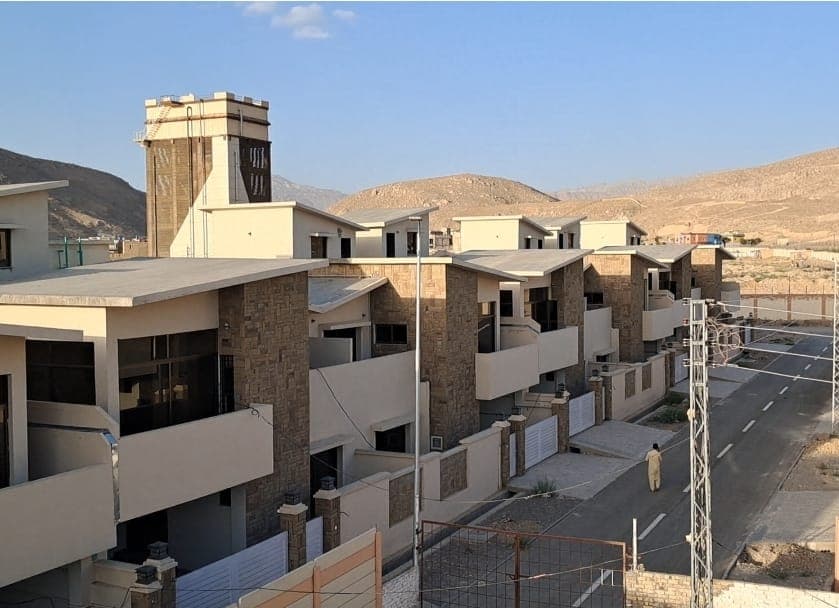
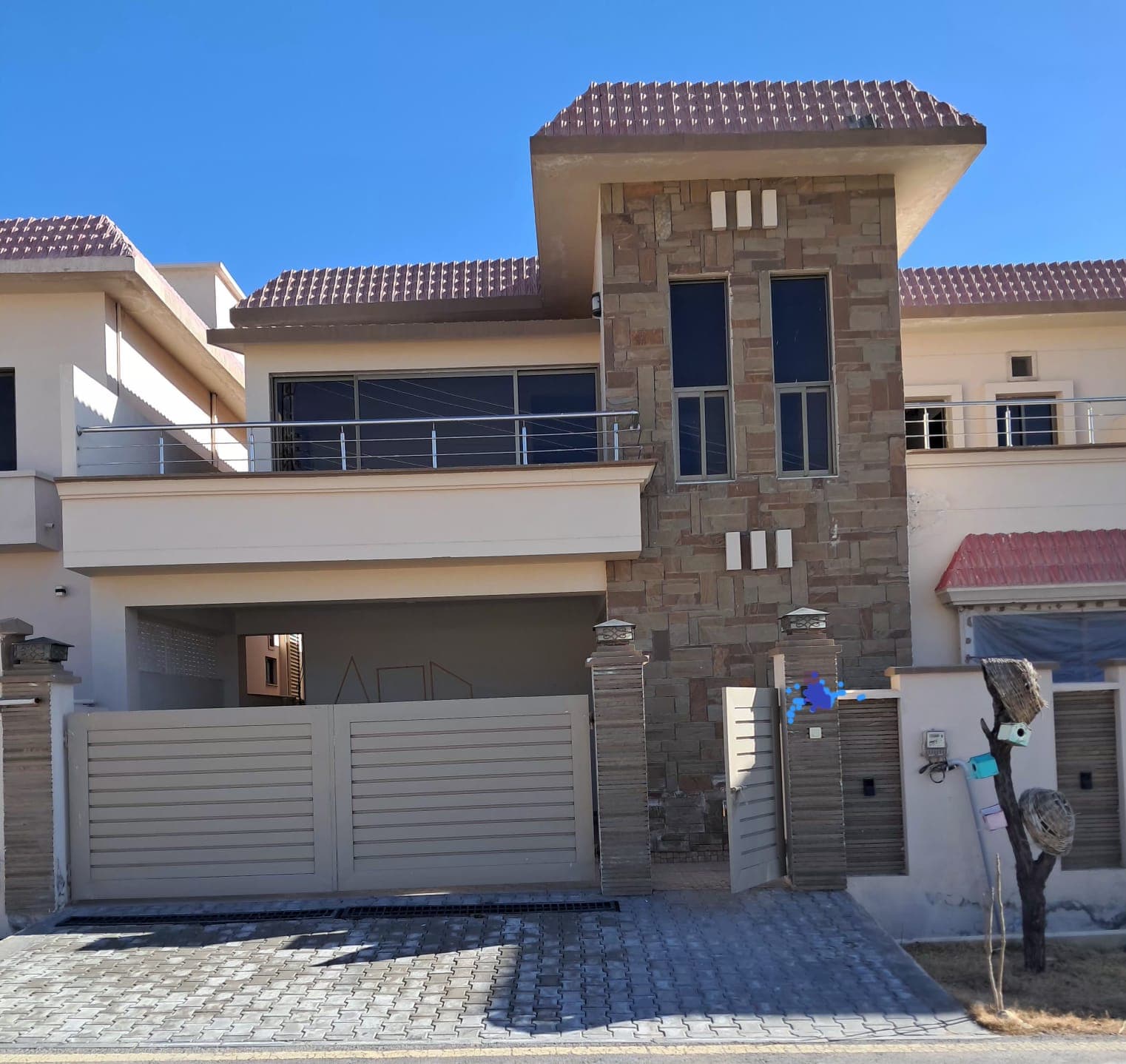
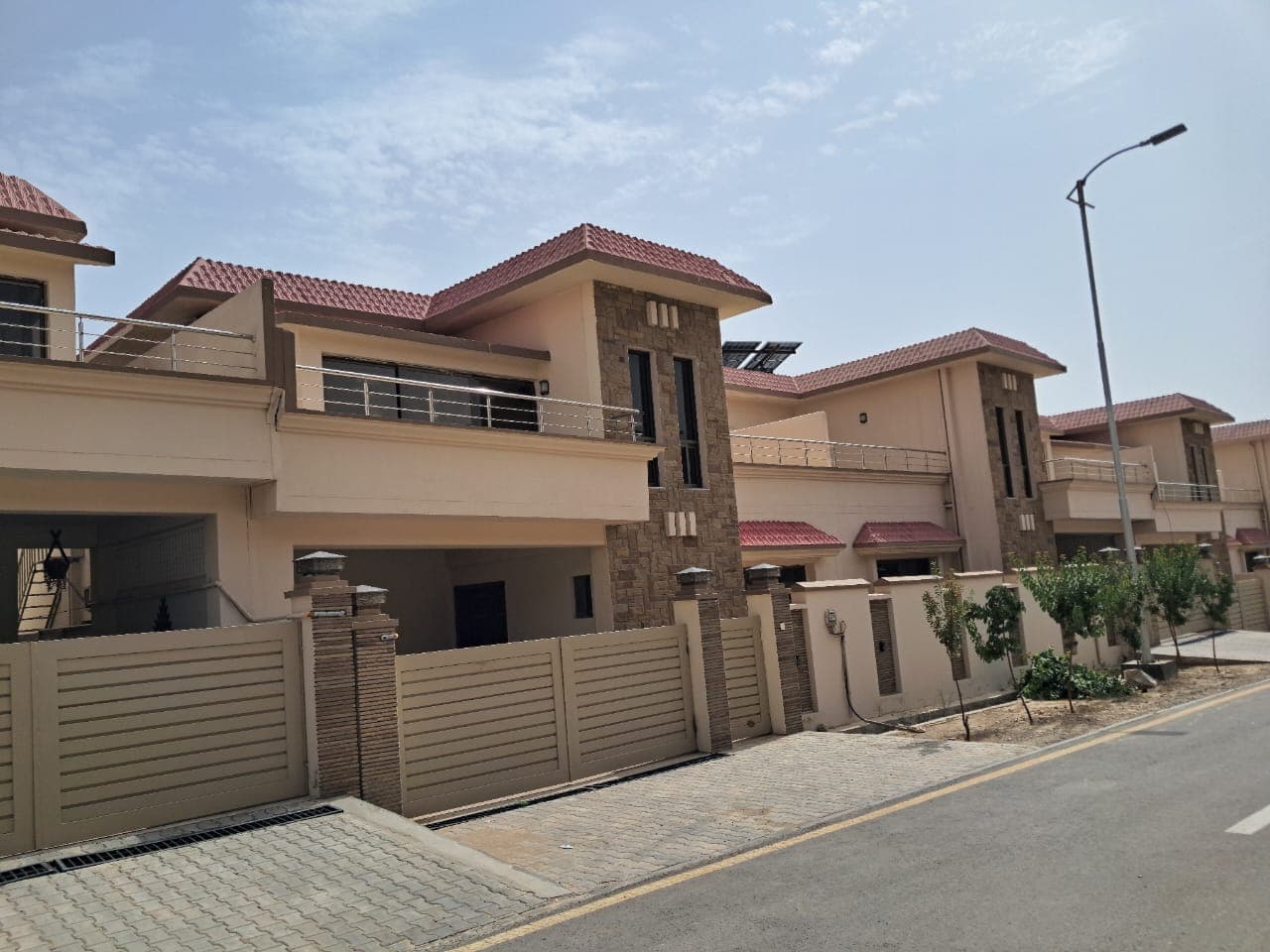
Renting a house in an Askari Colony can be an option for families, professionals, and individuals looking for residential accommodation in Pakistan. Before choosing a property, tenants should consider more than the monthly rent. The house's condition, location, lease terms, maintenance responsibilities, security arrangements, and total monthly expenses all affect whether a rental property is suitable.
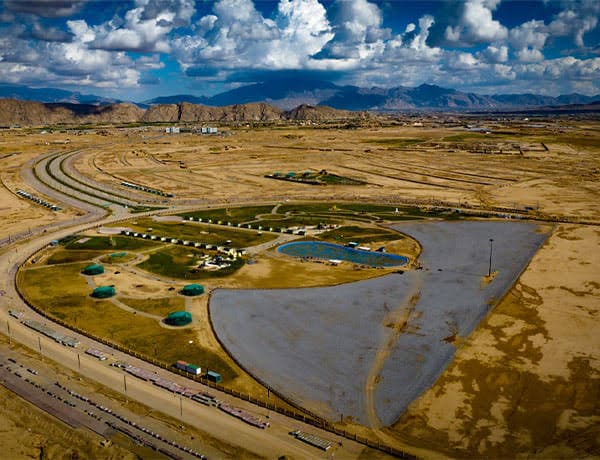
Askari housing options vary by city and location. Available houses, rental rates, facilities, and tenancy procedures may differ, so tenants should verify the details of the specific property rather than assuming that every Askari Colony follows identical rules.
This guide explains how to find suitable rental accommodation, assess a house, understand the tenancy agreement, and avoid common problems before moving in.
1. Identify Your Housing Requirements
Before contacting property agents, establish what you need from a rental house. A clear list of priorities can help you avoid wasting time viewing unsuitable properties.
Consider the following:
- Budget: Decide how much you can comfortably spend on monthly rent and other housing expenses.
- House size: Choose a suitable number of bedrooms, bathrooms, and living spaces.
- Location: Consider access to work, schools, healthcare, and shopping facilities.
- Parking: Check whether the property provides suitable parking for your vehicles.
- Family requirements: Consider children, elderly residents, accessibility, and privacy.
- Lease duration: Decide whether you need accommodation for a short period or several years.
- Furnishing: Confirm whether you want a furnished, partly furnished, or unfurnished house.
Keep some flexibility in your requirements. A smaller, well-maintained house in a convenient location may be more practical than a larger property that creates a long commute or stretches your budget.
2. Choose the Right Askari Location
Askari residential areas are found in several cities across Pakistan. However, the best location for you depends on your daily routine, budget, and personal requirements.
For example, someone working in Lahore may prioritise convenient access to their office, while a family relocating to Karachi may focus on school access, commuting routes, and the property's surroundings. Tenants considering Askari accommodation in Rawalpindi or another city should assess the same factors in the context of their own needs.
Before choosing a location, check:
- Travel time to your workplace.
- Access to schools, hospitals, and grocery stores.
- Road connectivity and traffic conditions.
- Availability of public transport or ride-hailing services.
- Parking and visitor arrangements.
- Noise levels and the surrounding environment.
- Applicable community rules and access procedures.
Visit the area at different times of day if possible. This can help you understand traffic patterns, parking pressure, and the general environment.
Do not rely only on an agent's description of the location. Visit the actual street and property before making a decision.
3. Set a Realistic Rental Budget
Monthly rent is usually the largest housing expense, but it is not the only one. Before committing to a rental house, calculate the total amount you will need to pay at the beginning of the tenancy and throughout your stay.
Potential expenses include:
- Monthly rent.
- Security deposit.
- Advance rent, where applicable.
- Brokerage or agent fees, if agreed.
- Utility bills.
- Maintenance and repair expenses assigned to the tenant.
- Moving costs.
- Any permitted community or service charges.
Ask the landlord or agent to explain the payment schedule and identify any charges not included in the rent.
Rental rates can vary significantly according to city, location, house size, condition, furnishing, and market demand. Request current details for the exact property rather than relying on old advertisements or general estimates.
Make sure the agreed rent is affordable even after accounting for food, transport, education, and other household expenses.
4. Inspect the House Before Signing
A house may appear attractive in photographs but have problems that become apparent only during an inspection. Visit the actual property and check its condition carefully.
Pay attention to the following areas.
Walls and ceilings: Look for cracks, damp patches, peeling paint, and signs of water leakage.
Roof and terrace: Where accessible, check waterproofing, drainage, and visible deterioration.
Kitchen: Test taps, inspect cabinets and work surfaces, and check ventilation and plumbing.
Bathrooms: Check water pressure, drainage, toilets, showers, and signs of leakage.
Electrical installations: Test lights, switches, and sockets. Ask about any known electrical issues.
Doors and windows: Check locks, hinges, security, and ventilation.
Water supply: Ask about the supply schedule, storage arrangements, and any recurring problems.
Drainage: Check for unpleasant smells, slow drainage, or evidence of blockages.
Parking and outdoor areas: Confirm that these spaces are usable and match the landlord's description.
Take dated photographs or videos of existing damage, with the landlord's permission where appropriate. Ask for significant defects to be recorded in writing before you move in.
If you identify major structural concerns or potentially unsafe electrical installations, request a qualified professional's assessment before accepting the property.
5. Verify the Landlord or Authorised Representative
Before paying a deposit or signing a tenancy agreement, confirm that the person offering the house is entitled to rent it out.
Ask to verify the landlord's identity and establish their connection to the property. Where an agent or representative is managing the transaction, clarify their authority to negotiate the tenancy and receive payments.
Useful checks include:
- Confirming the landlord's or authorised representative's identity.
- Reviewing appropriate evidence of ownership or authority to rent.
- Ensuring the property details match the information provided.
- Confirming who will receive the rent and deposit.
- Obtaining written receipts for all payments.
- Checking whether any additional approvals or tenancy formalities apply.
If the person offering the house refuses reasonable verification or pressures you to make an urgent payment, pause and seek independent advice.
Do not transfer a large amount simply because an advertisement looks genuine or the person claims to represent the owner.
6. Read the Tenancy Agreement Carefully
A written tenancy agreement helps both the landlord and tenant understand their rights and responsibilities. Read it carefully before signing, and ask for clarification if any term is unclear.
The agreement should clearly state:
- The landlord's and tenant's details.
- The complete address and description of the house.
- The monthly rent and payment date.
- The security deposit and conditions for its return.
- The tenancy start date and duration.
- The terms for rent increases or renewal.
- Responsibility for utilities and maintenance.
- Rules concerning alterations or additional occupants.
- Notice requirements for ending the tenancy.
- Procedures for resolving disputes.
Confirm whether rent must be paid by bank transfer or another agreed method, and retain proof of every payment.
Do not rely on verbal promises about a future rent increase, free repairs, included facilities, or the return of the security deposit. Ask for important terms to be included in the written agreement.
Have the agreement reviewed by a qualified professional if it contains unusual conditions or if you are uncertain about your legal obligations.
7. Understand the Security Deposit and Advance Rent
Landlords may request a security deposit and advance rent, depending on the agreed terms and applicable requirements.
Before paying, confirm the exact amounts and the circumstances under which the deposit can be deducted or refunded.
Ask these questions:
- What amount is payable as the security deposit?
- Is any advance rent required?
- What deductions can be made for damage or unpaid bills?
- How and when will the deposit be returned?
- Will the landlord provide a written receipt?
- What happens if the tenancy ends earlier than expected?
The agreement should distinguish ordinary wear and tear from damage caused by the tenant, where applicable under the contract and law.
Keep the original payment receipts and a copy of the signed agreement. At the end of the tenancy, document the condition of the house and settle outstanding bills according to the agreed terms.
8. Clarify Maintenance and Repair Responsibilities
One common source of disagreement between landlords and tenants is responsibility for repairs.
Before moving in, agree on how routine maintenance and major repairs will be handled. The exact allocation of responsibility may depend on the tenancy agreement and applicable law.
Clarify who will be responsible for:
- Plumbing and water leaks.
- Electrical faults.
- Roof or terrace leakage.
- Broken doors and windows.
- Water pumps and storage tanks.
- Damage caused by the tenant.
- General maintenance of the property.
- Repairs to fixtures and appliances included with the house.
Ask how repairs should be reported and who should approve the expense before work begins.
For significant defects identified during the inspection, request that the landlord repair them before occupation or record the agreed repair schedule in writing.
Do not assume that the landlord or tenant must pay for every type of repair in every situation. Review the agreement and obtain local legal advice if a disagreement arises.
9. Check Utilities and Security Arrangements
Reliable utilities and clear access arrangements can make a substantial difference to your experience as a tenant.
Ask about electricity, gas where available, water supply, drainage, and waste collection. Confirm whether utility connections are active and whether there are any outstanding bills associated with the property.
Clarify how bills will be paid and whether any services are shared with other occupants.
Also ask about the property's applicable access and visitor procedures, parking rules, and any requirements for registering occupants. Procedures can vary between locations and residential developments, so confirm the current rules directly with the relevant management or authority.
If you have children or elderly family members, check the ease of access to the house and the suitability of the surrounding streets.
10. Understand Rules About Alterations and Pets
Before renting, discuss any requirements that could affect how you use the property.
If you intend to install additional fixtures, repaint rooms, make minor modifications, or undertake other work, obtain the landlord's written permission where required.
If you have pets, ask whether they are permitted under the tenancy agreement and applicable residential rules.
Also clarify any restrictions concerning additional occupants, subletting, parking, noise, or use of outdoor areas.
Understanding these conditions in advance can help prevent disputes after you move in.
11. Understand Rent Increases, Renewal, and Notice
A rental agreement should explain what happens when the tenancy approaches its end date.
Review the agreed tenancy duration, renewal process, notice period, and any provisions for changing the rent. Do not assume that the rent will remain unchanged or that the agreement will automatically renew.
Before signing, confirm:
- When the current agreement expires.
- How much notice must be given to end the tenancy.
- Whether and how rent may be increased.
- Whether renewal is subject to mutual agreement.
- How the security deposit will be handled when the tenant leaves.
- What procedure applies if either party wishes to end the tenancy early.
The enforceability of particular terms may depend on applicable law. Seek local legal advice if the agreement contains conditions you do not understand or believe may be inconsistent with your legal rights.
12. Take Extra Precautions When Renting from Another City
If you are relocating to a different city or arranging accommodation remotely, take additional care before sending money.
Request a live video walkthrough of the actual house, including the entrance, bedrooms, kitchen, bathrooms, parking, and visible defects. Ask someone you trust to inspect the property in person if possible.
Verify the landlord or representative, obtain the tenancy agreement in advance, and ensure that payment details are consistent with the agreement.
Do not rely exclusively on social media photographs or an agent's verbal assurances. Confirm that the property is genuinely available and that the person arranging the tenancy is authorised to do so.
13. Complete a Move-In Inspection
Before taking possession, prepare a record of the house's condition.
Document existing damage, including cracks, stains, broken fittings, damaged tiles, and other defects. Record the condition of fixtures and appliances included in the rental.
Where appropriate, note utility meter readings and confirm that outstanding bills have been addressed according to the agreement.
Ask the landlord to acknowledge the condition report, preferably in writing. Keep a copy alongside the tenancy agreement, deposit receipt, and other transaction records.
This documentation can help both parties establish the property's condition at the start of the tenancy and reduce disagreements when the tenant moves out.
Final Checklist Before Renting a House in an Askari Colony
Before signing the agreement or moving in, make sure you have:
- Inspected the actual house and surrounding area.
- Confirmed the landlord's identity and authority to rent.
- Agreed on rent, deposit, and payment arrangements.
- Reviewed the written tenancy agreement.
- Clarified utility bills and maintenance responsibilities.
- Checked applicable access and residential rules.
- Confirmed the terms for rent increases, renewal, and notice.
- Recorded existing damage and property condition.
- Obtained receipts for payments.
- Kept copies of all important documents.
Frequently Asked Questions
Is renting a house in an Askari Colony suitable for families?
It may be suitable for families whose housing needs, budget, and daily travel requirements match the particular location. Inspect the property and assess nearby facilities, access arrangements, and the suitability of the layout before deciding.
What documents should I request before renting?
Request identification from the landlord or authorised representative, appropriate evidence of their authority to rent the property, and a written tenancy agreement. Additional documentation or formalities may apply depending on the location and circumstances.
How much security deposit should I expect to pay?
The amount depends on the property, landlord, market conditions, and agreed tenancy terms. Confirm the exact amount, refund conditions, and permitted deductions in writing before paying.
Who is responsible for repairs in a rented house?
Responsibility depends on the tenancy agreement, the nature of the repair, and applicable law. Clarify the arrangement before signing and document any existing defects.
Can the landlord increase the rent during the tenancy?
The answer depends on the agreement and applicable law. Review the rent-increase provisions and seek local legal advice if you are unsure about a proposed change.
Conclusion
Renting a house in an Askari Colony requires careful planning, property inspection, landlord verification, and a clear understanding of the tenancy agreement. By comparing locations, calculating the full housing cost, documenting the property's condition, and clarifying maintenance responsibilities, tenants can make better-informed decisions.
Before paying a deposit or signing an agreement, verify the property and the landlord's authority, keep written records of payments, and understand the terms governing your stay.
For more property guidance and real estate information, visit NASASI Estate and confirm the latest rental details directly with the landlord or authorised property representative.