
Property Guide
Buying a House in an Askari Colony: Documents and Verification Tips
Buying a house in an Askari Colony? Learn which ownership documents to verify, how to check transfer eligibility, dues, legal risks, and sale agreements.
By Naimat Khan11 min read
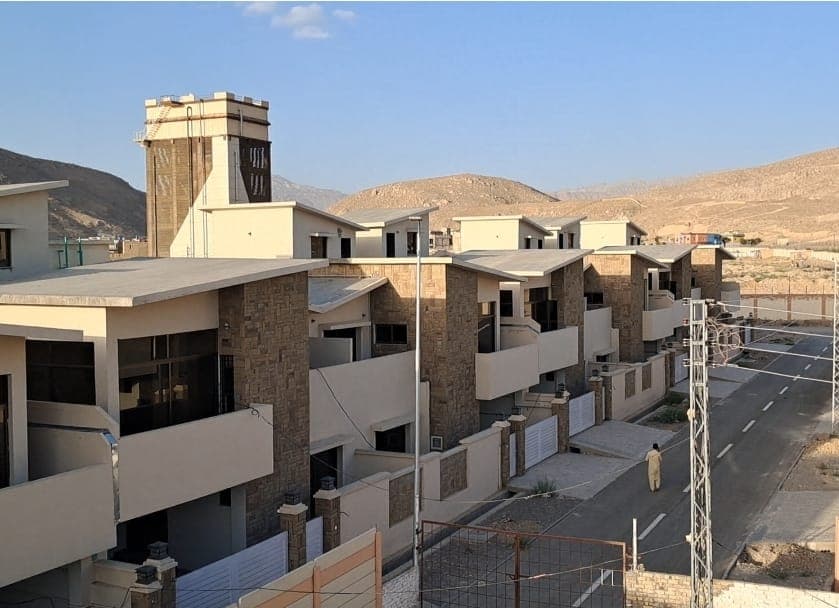
Buying a House in an Askari Colony: Documents and Verification Tips
Buying a house in an Askari Colony can be an important decision for families and property investors in Pakistan. However, before paying a token amount or signing a sale agreement, buyers should carefully verify ownership documents, the seller's identity, outstanding dues, and the property's transfer eligibility.
Property documentation and transfer procedures may vary depending on the location, the authority responsible for the property, and its legal status. A house in one Askari Colony may follow a different process from a property in another city. Therefore, buyers should never assume that the same documents and procedures apply everywhere.
This guide explains the essential documents to review, the verification steps to follow, and the precautions that can help reduce the risks of buying a house in an Askari Colony.
1. Confirm the Property's Exact Details
Before reviewing legal documents, establish the identity of the house being offered for sale.
Ask the seller or property agent to provide the complete property address, relevant block or sector, house number, plot size, covered area, and any other identifying details available in the official records.
Check that the details match across the property documents, advertisements, and information provided by the seller.
You should also visit the actual property and confirm that the house shown to you is the same one described in the documents.
Pay attention to:
- The exact location and house number.
- The plot size and covered area.
- The house's current condition and occupancy status.
- The parking arrangements and access roads.
- Any extensions, alterations, or additional construction.
- The identity of the person offering the property for sale.
If the physical property and the documents do not match, seek clarification and independent professional advice before proceeding.
2. Verify the Seller's Identity
One of the first steps in a property transaction is confirming that the person selling the house is legally entitled to do so.
Request the seller's valid Computerised National Identity Card (CNIC) or other applicable identification documents. Compare the seller's identity with the ownership and transfer records.
If the property has multiple owners, confirm the ownership interests of each person and determine whose consent or signature is required.
Additional checks may be necessary in situations involving:
- Joint ownership.
- Inherited property.
- A seller acting through a representative.
- A company or other legal entity.
- A power of attorney.
- A property subject to a court order or other legal restriction.
If someone is acting on the owner's behalf, have the authority and validity of their authorisation independently verified. Do not accept a verbal claim that a representative has permission to sell.
Where the transaction involves inheritance, a disputed ownership history, or a power of attorney, obtain advice from a qualified property lawyer before making any payment.
3. Check the Ownership and Allotment Documents
The documents required to purchase a house depend on how the property is recorded and administered.
Depending on the particular property, relevant documents may include:
- An allotment letter or other original ownership record.
- A transfer letter or transfer history.
- A registered sale deed or conveyance, where applicable.
- A possession letter or possession record, where applicable.
- A lease document, if relevant to the property.
- Approved property plans or other required records.
- Official clearances required for transfer.
Not every property will have every document listed above. The important point is to establish which documents apply to the specific house and verify them with the competent authority.
Check the names, property number, plot size, dates, and other details for consistency. Ask the relevant office to confirm whether the ownership record is genuine, current, and sufficient for the proposed transfer.
Do not rely solely on photocopies, screenshots, or documents supplied by an agent. Arrange independent verification through the appropriate official channel.
4. Confirm Transfer Eligibility with the Relevant Authority
A property may have ownership documents but still require additional steps before a transfer can be completed.
Before agreeing to purchase a house in an Askari Colony, identify the authority responsible for the property's records and confirm its current transfer requirements.
Ask the relevant office:
- Is the property eligible for transfer?
- What documents must the buyer and seller provide?
- Are any approvals or clearances outstanding?
- Are there unpaid dues that must be settled?
- Does the transaction require an appointment, formal application, or other prescribed procedure?
- What fees and taxes apply?
- How will the buyer's ownership be recorded after completion?
Where a particular housing development or administering organisation has its own transfer process, obtain the latest instructions directly from that organisation.
For example, buyers considering a property administered by DHA Lahore can consult the official DHA Lahore website for relevant information and confirm the applicable procedure with its authorised office.
Do not assume that procedures for DHA Lahore, Askari housing in Karachi, Rawalpindi, or another city are identical. Verify the requirements for the exact property you intend to buy.
5. Check Outstanding Dues and Financial Liabilities
Unpaid charges can complicate a transaction and increase the buyer's total cost.
Before finalising the price, ask the seller to disclose any outstanding payments associated with the house. Depending on the property, these may include maintenance charges, utility bills, authority dues, or other applicable liabilities.
Request official statements, receipts, or clearance documents where available.
Your checks should cover:
- Outstanding maintenance or service charges.
- Unpaid electricity, gas, or water bills.
- Property-related dues payable to the relevant authority.
- Applicable transfer fees and taxes.
- Any mortgage, charge, or other financial claim affecting the property.
- Any additional payments required before transfer.
Clarify in writing which payments the seller must settle and which costs the buyer will bear. Confirm the current amounts with the relevant authority rather than relying on informal estimates.
If the seller claims that all dues have been cleared, obtain appropriate documentary evidence before completing the transaction.
6. Investigate Disputes, Claims, and Restrictions
A house can appear suitable while having an unresolved legal or ownership problem. Buyers should therefore examine whether any issue could affect the seller's right to transfer the property or the buyer's ability to use it.
Depending on the circumstances, relevant checks may include ownership disputes, inheritance claims, court orders, mortgages, charges, or restrictions recorded by the competent authority.
Ask the seller to disclose any known dispute or legal proceeding involving the house.
Where appropriate, have a property lawyer review the available ownership history and advise on further searches or confirmations needed for the specific transaction.
Be particularly cautious if:
- The seller refuses to provide original documents for verification.
- The ownership name differs from the seller's identity.
- Property details differ across records.
- A third party claims an interest in the house.
- The seller pressures you to pay before verification.
- The transfer process is repeatedly delayed without a clear explanation.
These circumstances do not automatically prove wrongdoing, but they require clarification before you proceed.
7. Confirm That Construction and Alterations Are Properly Documented
When purchasing an existing house, check whether its construction and any significant alterations comply with the applicable requirements.
Compare the physical layout with available approved plans or other relevant records, where these are required and available.
Look for extensions, additional rooms, covered outdoor spaces, or structural changes that may need approval. Ask the relevant authority or a qualified professional whether any identified alterations create legal, safety, or transfer concerns.
You should also inspect the construction quality.
Check walls, ceilings, roof waterproofing, drainage, plumbing, electrical installations, and signs of dampness or structural damage. Consider hiring a qualified civil engineer or building inspector if the property is older or has visible defects.
Legal documentation and physical condition are separate issues. A house may have valid ownership records but still require substantial repairs.
8. Review the Sale Agreement Carefully
Before paying a substantial token amount or deposit, ensure that the transaction terms are documented in a clear written agreement.
A suitable agreement should identify the buyer and seller, describe the property accurately, state the agreed price, and set out the payment schedule.
It should also clarify:
- The responsibilities of the buyer and seller.
- Which party will settle outstanding dues.
- The documents to be provided.
- The expected transfer and completion arrangements.
- The treatment of the deposit if the transaction cannot proceed.
- The consequences of failing to meet agreed obligations.
Have a qualified property lawyer review the agreement before signing, particularly if the transaction involves unusual conditions, a representative acting for the owner, or unresolved documentation issues.
Do not sign blank documents or accept vague assurances that important terms will be settled later.
9. Use Safe and Traceable Payment Methods
Property transactions can involve substantial sums, so maintaining a clear payment record is essential.
Use a traceable payment method appropriate to the transaction and retain all receipts, bank records, and written acknowledgements.
Before transferring money, confirm the recipient's identity and ensure that the payment arrangement is consistent with the written agreement.
Avoid paying the entire purchase price before the required verification and transfer conditions have been satisfied.
If payment is being made to someone other than the recorded owner, obtain independent legal advice and verify the person's authority to receive the funds.
Keep copies of the agreement, receipts, correspondence, and relevant property documents in a secure location.
10. Take Extra Care When Buying from Overseas
Overseas Pakistanis may face additional challenges because they cannot always inspect the house or attend the transfer process personally.
Arrange a live video inspection of the actual property and its surroundings. Request clear copies of the relevant documents for preliminary review, but arrange independent verification with the competent authority before making a substantial payment.
If a representative is acting on your behalf, confirm the validity and scope of their authorisation and follow the applicable requirements for documents executed overseas.
Consider using an independent property lawyer rather than relying exclusively on a seller's agent or a representative whose interests may not align with yours.
Never treat photographs, video calls, or online listings as substitutes for verifying ownership and transfer eligibility.
11. Prepare a Complete Buyer Verification File
Before completing the transaction, organise the documents and evidence gathered during your checks.
Your file should contain the documents relevant to the particular property, which may include:
- Copies of the seller's verified identification.
- Ownership and transfer records.
- Official confirmation of transfer eligibility, where available.
- Required clearances and evidence of settled dues.
- Utility and maintenance payment records.
- Inspection findings and repair estimates.
- The signed sale agreement.
- Receipts and proof of payments.
- Final transfer documentation and evidence of the updated ownership record.
The exact documents required will depend on the property's legal and administrative status. Ask the competent authority and your lawyer to confirm that your file is complete before closing the transaction.
Final Checklist Before Buying a House in an Askari Colony
Use this checklist before committing your money:
- Confirm the exact property address, house number, and plot size.
- Verify the seller's identity and legal authority to sell.
- Check the applicable ownership and transfer documents.
- Confirm transfer eligibility with the relevant authority.
- Investigate outstanding dues, claims, and restrictions.
- Review any required construction approvals or records.
- Inspect the house's physical condition.
- Calculate transfer costs, taxes, and repair expenses.
- Have the sale agreement reviewed by a qualified lawyer.
- Use traceable payment methods and retain receipts.
- Complete the required transfer procedure.
- Retain the final ownership and transfer records.
Frequently Asked Questions
What documents should I check when buying a house in an Askari Colony?
The relevant documents may include ownership or allotment records, transfer history, a registered deed where applicable, identification documents, and required clearances. Confirm the exact requirements for the particular property with the competent authority.
Is an allotment letter enough to prove ownership?
Not necessarily. The legal significance of an allotment letter depends on the property's status and applicable rules. Confirm the current ownership position and transfer eligibility through the relevant authority and an independent lawyer.
Can I buy a house if the seller has outstanding dues?
A transaction may be possible in some circumstances, but the dues and their effect on transfer must be clarified first. Obtain an official statement, agree in writing who will settle the amounts, and confirm that the required clearances can be obtained.
Should I pay a token amount before verifying documents?
Avoid making a substantial payment before essential checks are complete. If a token payment is proposed, have the terms documented clearly and seek legal advice about the conditions for refund or forfeiture.
Are property transfer procedures the same in every Askari Colony?
No. Requirements may differ according to the city, property status, ownership structure, and responsible authority. Always confirm the current process for the exact house being purchased.
Conclusion
Buying a house in an Askari Colony requires careful verification of ownership, seller identity, transfer eligibility, financial liabilities, and the property's physical condition. A structured approach can help buyers identify potential problems before committing substantial funds.
Do not rely solely on an agent's assurances or the apparent quality of a house. Verify the records through the competent authority, obtain independent legal advice, document all payments, and complete the required transfer process.
For more property guidance and real estate information, visit NASASI Estate and confirm the latest details before proceeding with a purchase.