
Investment
When to Sell an Investment Property: Signals to Watch
Practical signals that suggest when to sell an investment property in Pakistan, the costs to check before deciding, and how to plan a sale without accepting a poor price.
By Naimat Khan8 min read
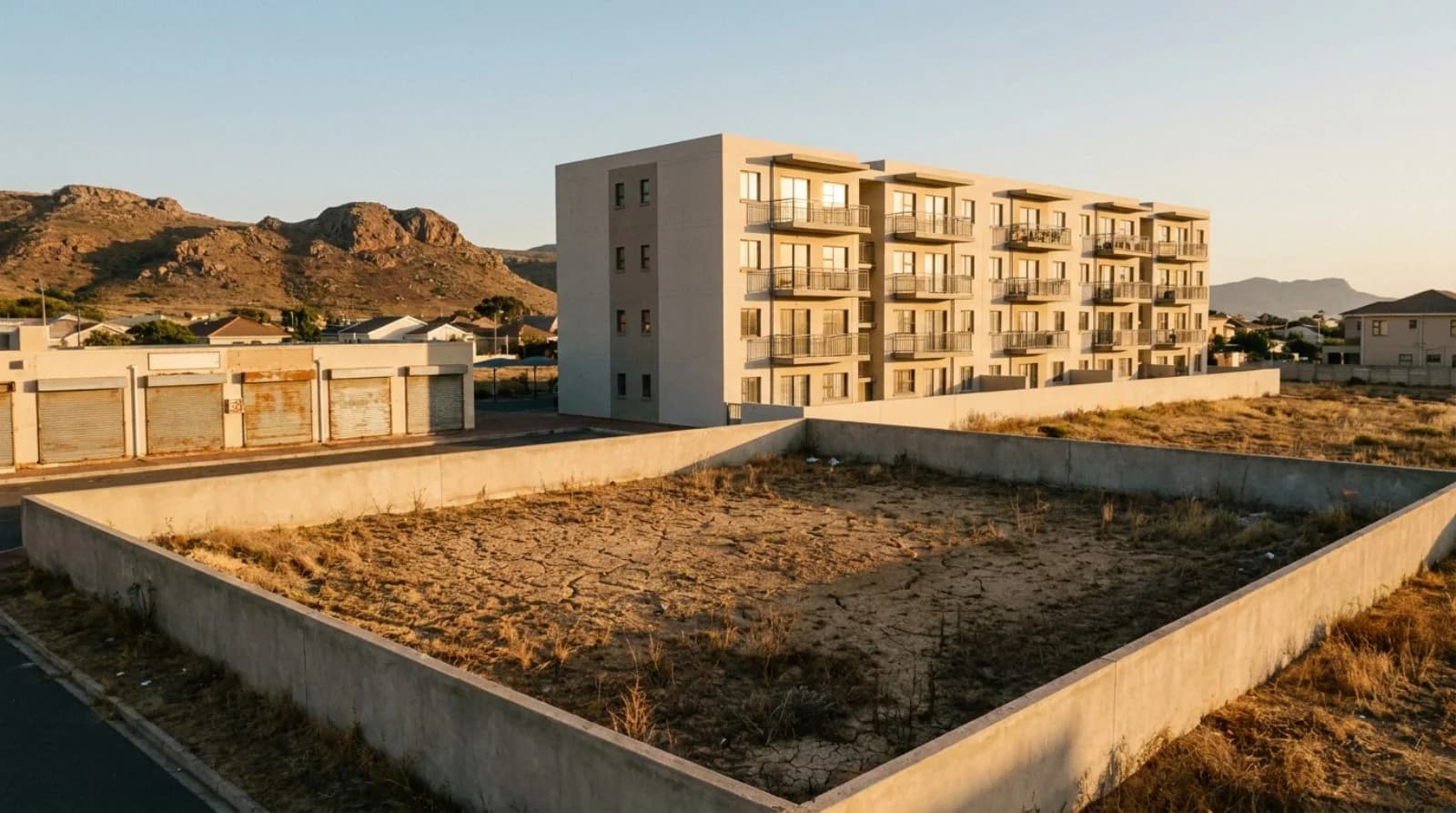
There is no single right time to sell an investment property. The better question is whether the property is still doing the job you bought it for. If it no longer fits your goal, costs more to hold than it returns, or ties up money you need elsewhere, it may be time to sell. If you are reacting only to a rumour or a short-term price move, it usually is not.
This guide sets out practical signals that suggest when to sell an investment property in Pakistan, the costs to check before deciding, and how to plan a sale so you are not forced to accept a poor price.
Start with why you bought the property
Every investment property was bought for a reason: rental income, long-term holding for family use, a future house, or a plan to build and sell. Write that reason down, then ask whether it still applies.
- Rental income: is the net rent, after costs, still worth the money tied up?
- Future family use: has the family's plan changed, for example a move abroad or to another city?
- Build and sell: is construction still affordable and realistic in your timeframe?
- Long-term holding: is the area still developing in the way you expected, based on what you can verify?
If the original reason has gone and no new one has replaced it, holding on "just in case" can mean carrying costs with no clear purpose.
Signals it may be time to sell an investment property
1. Net rental return has fallen
Rent that has not kept up with maintenance, property tax, vacancy periods and repair costs can leave a property returning very little. Recalculate the net figure with your actual numbers using the method in our guide on how to calculate rental yield. Compare it honestly with what the same money could do elsewhere.
2. Holding costs are rising faster than value
Plots and houses carry costs even when they earn nothing: society dues, property tax, security, boundary walls, repairs and, for older houses, larger renovation bills. If these costs keep rising and you cannot see a verifiable reason for the value to rise, the property may be costing you more than it gives.
3. You need the money for something more important
Planned needs such as education, a family home, a business or paying off expensive debt are valid reasons to sell. Selling in a planned way, months ahead, nearly always achieves a better price than a distress sale when money is needed in a hurry.
4. Your portfolio is too concentrated
If most of your wealth sits in one society or one type of property, any slowdown in that area affects all of it. Selling one property to spread risk across a different area or type can be a reasonable decision even if prices are steady.
5. The property needs major work you do not want to fund
An older house may need structural repairs, new wiring or plumbing, or a full renovation to stay rentable. If you do not want to fund that work, selling as-is to a buyer who plans to renovate can be cleaner. Get an estimate first so you know what the buyer will be pricing in.
6. Documentation or management has become a burden
Overseas owners in particular may find it hard to manage tenants, dues and repairs from abroad. If management is costing time and money, or documents are at risk of becoming out of date, consider whether a sale or professional management is the better option. See our overseas investment page for support options.
Market conditions worth watching
Market conditions affect buyer demand and how long a sale takes. They are worth tracking, but they should support a decision based on your own circumstances, not replace it.
- Interest rates: the State Bank of Pakistan's policy rate influences financing costs and returns on bank deposits. The SBP set the policy rate at 12% from 27 October 2026. Our post on how interest rates affect property in Pakistan explains the link.
- Tax changes: federal withholding taxes on sale and purchase change with Finance Acts. In May 2026 the Federal Constitutional Court declared Section 7E of the Income Tax Ordinance (tax on deemed income from immovable property) unconstitutional, as reported by Dawn. Always check the current FBR rates before you price a sale.
- Local supply: a large number of similar plots or houses listed in the same society can slow sales. Look at how many comparable properties are on the market and for how long.
- Infrastructure and approvals: verified developments such as completed roads or utility connections can affect demand. Rely on official announcements rather than dealer talk.
Costs to check before you decide to sell
The price a buyer offers is not what you take home. Before deciding, list the costs that apply to your sale.
| Cost | What to check |
|---|---|
| Withholding tax on sale | Federal advance tax under Section 236C at the current rate for your tax status. See filer vs non-filer property tax. |
| Capital gains tax | Tax on the gain depends on when the property was acquired and the rules in force. Confirm with a tax adviser or the FBR before setting your minimum price. |
| Society or authority charges | Transfer fees, NOC charges and any outstanding dues that must be cleared before transfer. |
| Dealer commission | Agree the rate and who pays it in writing before listing. |
| Pending bills and taxes | Utility bills and provincial property tax that a buyer will expect to see cleared. |
| Repairs before sale | Small repairs that help the property sell faster, weighed against their cost. |
When it is usually better to wait
- You are selling only because of a rumour about prices falling or rising that you cannot verify.
- The property's documents are incomplete. Sort them out first; a clean file sells faster and for a better price.
- A tenant's lease has months to run and a buyer would need vacant possession. Selling at lease end may avoid a discount.
- You have no plan for the sale proceeds. Money sitting idle after a sale can lose value to inflation.
How to plan the sale
- 1Set a target and a minimum price based on recent comparable sales, not asking prices. Our guide on how to price a house for sale in Quetta explains the method.
- 2Prepare the documents: title or allotment papers, paid dues, tax records and NOCs.
- 3Decide on timing: allow enough time to find the right buyer instead of accepting the first offer.
- 4Plan the proceeds: know in advance where the money will go, and check any tax implications.
- 5Use a written agreement with clear payment deadlines and receive payments through banking channels.
How NASASI Estate helps
NASASI Estate offers property advisory, documentation support and support for overseas Pakistanis in Quetta. We can help you review whether a property still fits your plan, prepare documents for sale, and understand the steps and costs involved. Our advisory team can talk through your situation, or you can contact us with the details of the property. We do not promise prices or returns; we help you make a decision based on verified information.
Frequently asked questions
Is it better to sell a plot or hold it until prices rise?
That depends on your holding costs, your need for the money and what you can verify about the area. Holding has a cost; if you cannot point to a verified reason for future demand, a planned sale may be the better choice.
Should I sell when interest rates are high?
Interest rates affect buyer demand and the return you could earn elsewhere, but they are only one factor. Your own goals, the property's net return and your costs matter more.
What taxes apply when I sell property in Pakistan?
Typically federal advance tax under Section 236C and, depending on the case, tax on capital gains, plus society or authority transfer charges. Rates change with Finance Acts, so confirm current figures with the FBR or a tax adviser.
Can I sell my Quetta property while living abroad?
Yes, usually through a properly drafted power of attorney or by completing the transfer during a visit, depending on the society or authority's rules. Plan the document process early.
Sources
- Dawn: FCC annuls tax on 'deemed income' from properties (May 2026)
- Profit: FCC declares Section 7E deemed income tax unconstitutional (7 May 2026)
- Government of Balochistan: The Balochistan Urban Immovable Property Tax Act 1958
- State Bank of Pakistan: monetary policy statements
- Federal Board of Revenue: withholding tax rates