Investment
Property in Quetta: Emerging Investment Hotspots
For those seeking opportunities beyond the saturated markets of Lahore, Karachi, and Islamabad, Quetta offers a compelling alternative.
By Naimat Khan8 min read
For those seeking opportunities beyond the saturated markets of Lahore, Karachi, and Islamabad, Quetta offers a compelling alternative. The city combines affordability with genuine growth potential, creating an environment where both first-time buyers and seasoned investors can find meaningful value. This comprehensive guide explores the various dimensions of Quetta's property market, from development initiatives to lifestyle considerations, helping you understand why this city deserves your attention.
Understanding Quetta's Real Estate Landscape
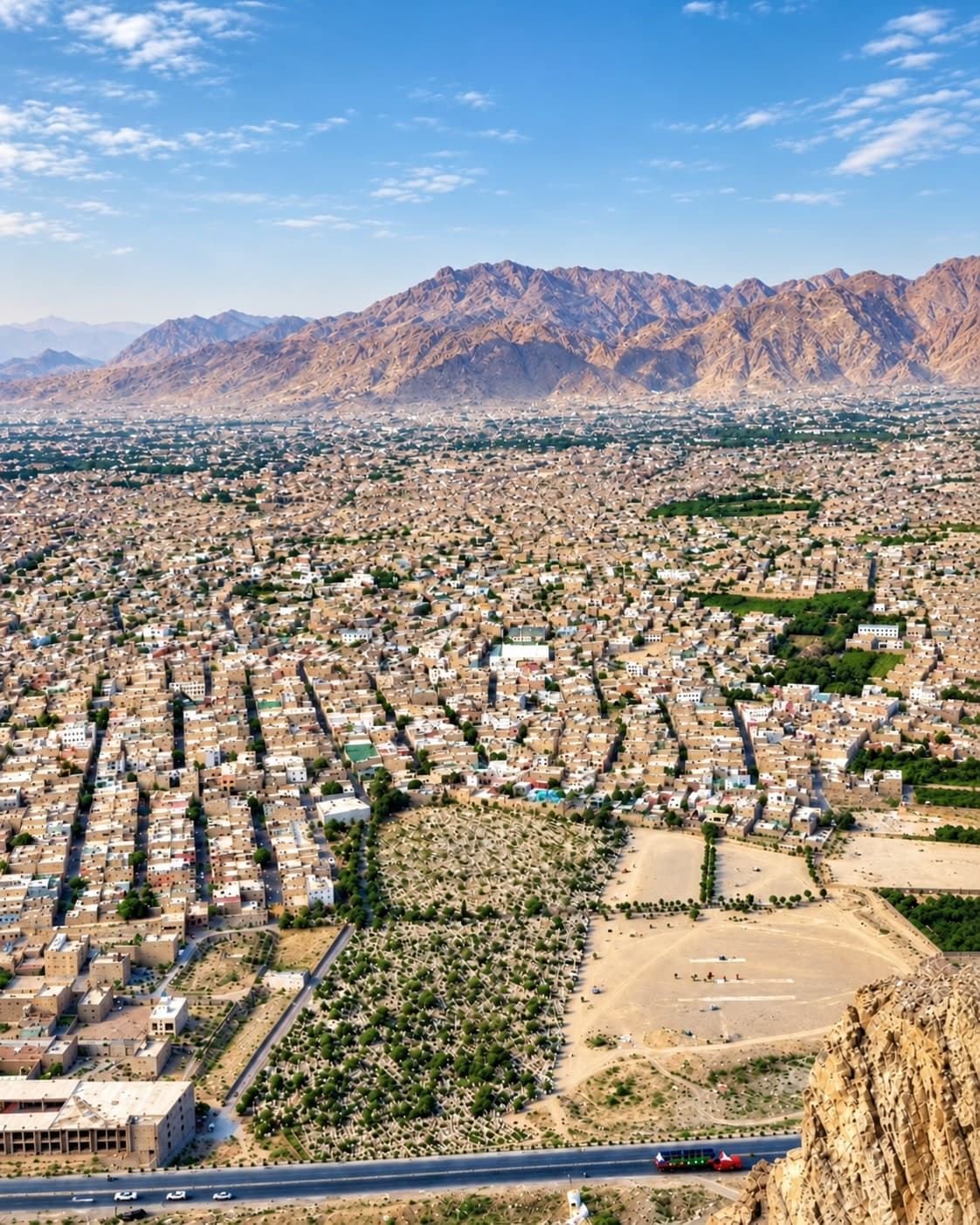
Quetta's real estate market operates quite differently from the major metropolitan centers of Pakistan. The city maintains a unique character shaped by its geographic location, cultural heritage, and administrative significance as the provincial capital. Unlike the frenetic pace of development seen in cities like Islamabad, Quetta's growth has been more measured, allowing for thoughtful urban planning and sustainable expansion.
The property market here is characterized by relatively lower entry costs, making it accessible to a broader range of investors. Residential plots, commercial spaces, and agricultural land all present opportunities at price points that would be unimaginable in larger cities. This affordability, combined with the city's strategic importance and development trajectory, creates a favorable environment for those willing to take a longer-term view on their investments.
Several areas within and around Quetta have begun attracting significant attention. Satellite Town, Jinnah Town, and the developing suburbs along the bypass road have witnessed increased activity in recent years. These neighborhoods offer modern amenities while maintaining connections to the city's commercial and administrative centers, making them particularly attractive for residential investment.
Upcoming Development Plans Reshaping the City
The transformation of Quetta's property market cannot be understood without examining the ambitious development projects currently underway or in planning stages. The government of Balochistan, in collaboration with federal authorities and international partners, has initiated several programs designed to modernize the city's infrastructure and attract investment.
Road connectivity improvements represent one of the most significant ongoing initiatives. The expansion of the western route of the China-Pakistan Economic Corridor has brought unprecedented attention to Quetta's strategic location. As a gateway between Central Asia and the Arabian Sea, the city stands to benefit enormously from increased trade and commercial activity. New highways, improved urban roads, and better connections to surrounding districts are making previously isolated areas more accessible and, consequently, more valuable.
Water and sanitation infrastructure projects are also progressing, addressing long-standing challenges that have historically limited urban expansion. The availability of clean water and proper drainage systems in new residential areas makes these locations significantly more attractive for both living and investment purposes. Some developers now advertise plots with utility connections; buyers should confirm in writing which connections are actually in place, because this substantially affects property values.
Educational and healthcare facilities are expanding as well, with new institutions being established in previously underserved areas. The presence of quality schools and hospitals invariably drives demand for nearby residential properties, creating appreciation potential in neighborhoods that receive such facilities.
Real Estate Potential and Market Dynamics
The fundamental appeal of Quetta's property market lies in the gap between current prices and future potential. While cities like Lahore and Islamabad have seen property values climb to levels that many find prohibitive, Quetta remains accessible. A residential plot that might cost tens of millions in established cities can be acquired for a fraction of that amount in Quetta's developing areas.
This price differential does not exist in a vacuum. It reflects historical factors including security concerns, limited infrastructure, and the city's distance from major economic centers. However, each of these factors is being systematically addressed. Security conditions have improved substantially over recent years, infrastructure development is accelerating, and economic connectivity through CPEC and other initiatives is strengthening.
For investors, this creates what many consider an ideal scenario: the opportunity to enter a market at relatively low prices before the full impact of development initiatives is reflected in valuations. Those who invested in Islamabad during its early development phases or in Gwadar before major announcements understand this dynamic well. Quetta may be approaching a similar inflection point.
The rental market also presents opportunities, particularly given the city's role as an administrative center. Government officials, military personnel, and employees of various organizations require quality housing, creating steady demand for rental properties. Commercial rentals near the city center and in established business districts are generally in demand and can provide a regular income, although occupancy and rents are not assured.
Community Lifestyle and Living Standards
Investment decisions should never be made purely on financial projections. Understanding the lifestyle and community dynamics of an area provides essential context for evaluating its long-term prospects. Quetta offers a distinctive living experience that attracts residents seeking alternatives to the congestion and pace of larger Pakistani cities.
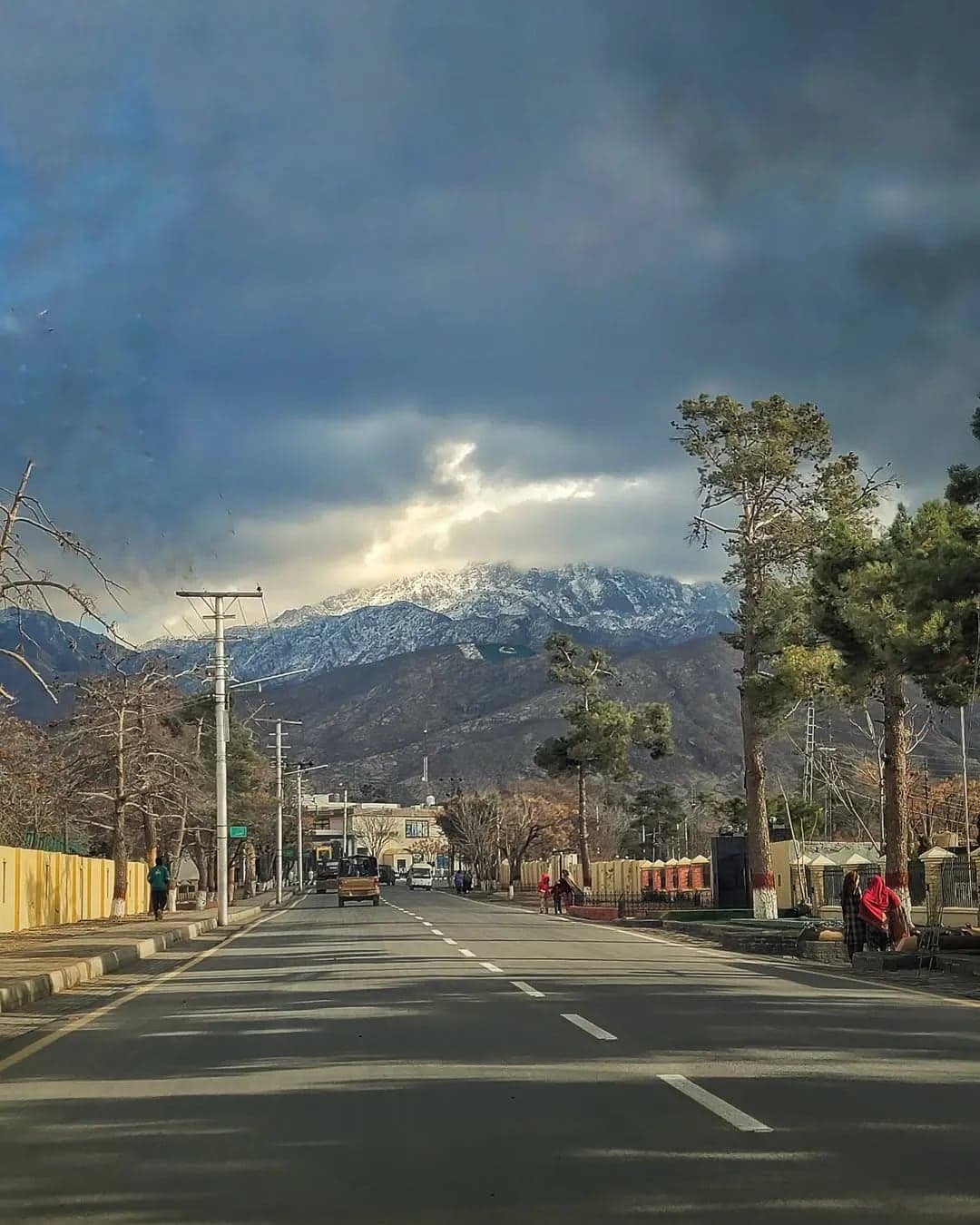
The climate represents one of the city's most appealing characteristics. Unlike the extreme heat experienced in many Pakistani cities, Quetta enjoys relatively mild summers and distinct seasons. The surrounding mountains create a pleasant environment that draws visitors and potential residents alike. This climate advantage translates into sustained demand for residential properties, particularly among those who can choose where to live.
Community bonds remain strong in Quetta, with neighborhoods maintaining cohesive social structures that have become rare in more rapidly urbanizing areas. This sense of community adds intangible value to residential properties and contributes to the overall quality of life. New developments that successfully integrate into existing community patterns tend to perform well in both sales and rentals.
Educational opportunities are expanding, with new schools and colleges addressing previously existing gaps. Healthcare facilities, while still developing, have improved substantially, reducing the need for residents to travel to other cities for medical care. These lifestyle improvements support property values by making the city a more viable option for families and professionals seeking permanent residence.
Long Term Investment Value and Growth Trajectory
Property investment inherently requires a long-term perspective, and Quetta rewards this approach perhaps more than many alternative markets. The city's growth trajectory, while not characterized by the dramatic spikes seen elsewhere, offers steady appreciation potential backed by fundamental factors.
Population growth continues to drive demand for housing. As Balochistan's largest city and provincial capital, Quetta attracts migrants from surrounding districts seeking educational and employment opportunities. This demographic pressure, combined with limited housing supply in desirable areas, supports ongoing appreciation in well-located properties.
Government investment in the region shows no signs of slowing. The strategic importance of Balochistan in Pakistan's economic and security calculations makes continued attention and resource allocation likely, although public spending plans can change. Properties that benefit from these investments—through improved connectivity, utilities, or proximity to new facilities—may appreciate as a result.
Diversification benefits also merit consideration. Investors with portfolios concentrated in Punjab or Sindh may find that Quetta properties provide geographic and economic diversification. The factors driving property values in Quetta differ somewhat from those affecting larger cities, potentially providing stability when other markets experience volatility.
Sustainability Efforts and Environmental Considerations
Modern property investment increasingly incorporates environmental and sustainability considerations, and Quetta presents both challenges and opportunities in this regard. Water scarcity has historically been a concern, prompting development of more sustainable approaches to urban planning and construction.
New developments are increasingly incorporating water conservation measures, including rainwater harvesting systems and efficient irrigation for landscaping. These features not only reduce environmental impact but also lower operating costs for residents, adding value to properties that include them.
Solar energy adoption is growing, driven by favorable conditions and decreasing technology costs. Properties with solar installations can be more attractive to buyers and tenants, reflecting awareness of long-term utility savings. Developers who incorporate renewable energy solutions position their projects advantageously in an increasingly environmentally conscious market.
Green spaces and urban planning that preserves natural features are gaining attention as well. Developments that balance density with environmental preservation tend to maintain value better over time, as residents increasingly prioritize quality of life factors in their housing decisions.
The Overall Vision for Quetta's Future
Looking ahead, Quetta appears positioned for a period of sustained growth and development. The convergence of infrastructure investment, strategic importance, improving security conditions, and affordable entry points creates a compelling case for serious investor consideration.
The provincial government has articulated ambitious plans for the city's development, including new housing schemes, commercial districts, and improved public facilities. While the pace of implementation may vary, the direction of travel is clear. Quetta is modernizing, and properties in well-chosen locations may benefit from this transformation.
For investors evaluating opportunities, the key lies in careful selection. Not all areas will appreciate equally, and understanding local dynamics, development timelines, and infrastructure plans is essential. Working with reputable local partners who understand the market's nuances can help navigate these considerations effectively.
The emerging investment hotspots in Quetta represent genuine opportunities for those willing to look beyond conventional choices. As Pakistan's real estate market matures and investors become more sophisticated, overlooked markets like Quetta are likely to receive increasing attention. Those who position themselves early may well be rewarded as the city fulfills its considerable potential.