Overseas Investors
Inherited Property in Pakistan: A Step-by-Step Guide for Overseas Heirs
How overseas Pakistanis can handle inherited property in Pakistan: confirming legal heirs, getting NADRA succession documents, transferring the property and sending proceeds abroad.
By Naimat Khan8 min read
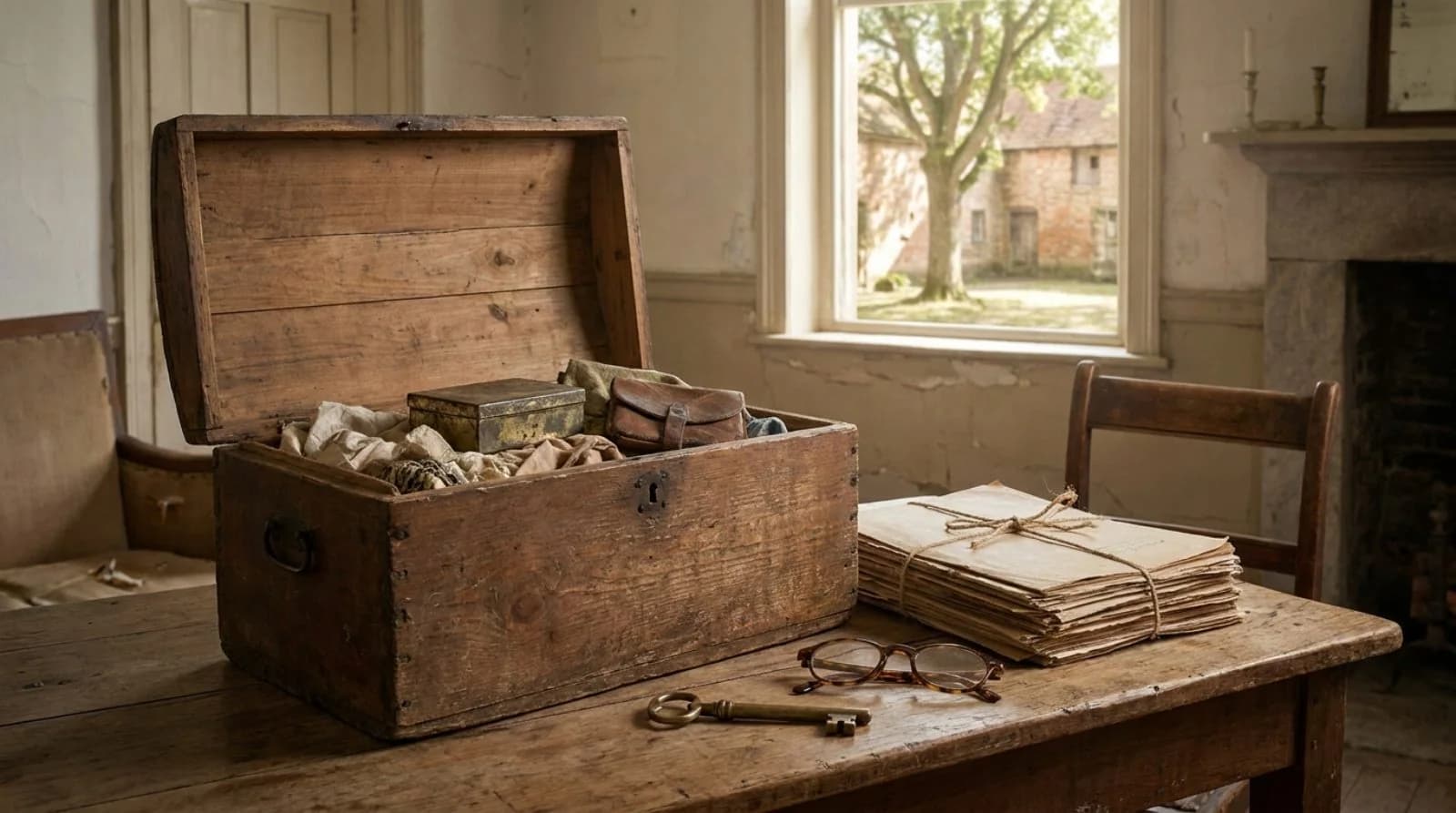
If a parent or relative in Pakistan has died and left property, and you live abroad, the inherited property in Pakistan has to be transferred into the legal heirs' names before it can be sold, rented out with clear authority or divided. In practice, there are four stages: confirm who the legal heirs are, get a succession document from NADRA or a court, record the transfer with whichever office keeps the property's records, and then decide together whether to keep, rent, sell or divide it.
Much of this can now be done from abroad. This guide explains each stage, what overseas heirs can do remotely, and the mistakes that most often cause delays and family disputes.
Step 1: Confirm the legal heirs and their shares
Every later step depends on an accurate list of legal heirs. The starting point is the deceased person's NADRA Family Registration Certificate (FRC), together with the death certificate. Check that the FRC is complete, including all sons, daughters, the surviving spouse and, where relevant, parents. Missing or wrongly recorded family members should be corrected with NADRA before you apply for succession documents.
The share each heir receives is set by the personal law that applied to the deceased; for Muslims, this is Islamic inheritance law, under which the shares are fixed. Get the shares calculated by a lawyer or a qualified scholar rather than relying on family assumptions.
Female heirs' shares
Pakistani courts have repeatedly held that women cannot be deprived of their inheritance by custom, jirga decisions or informal family arrangements. The Balochistan High Court has directed the provincial Board of Revenue to make sure female heirs' rights are protected when inheritance mutations are recorded. Any arrangement that excludes a legal heir is likely to be challenged later and can block a sale.
Step 2: Get the succession documents
There are two routes: NADRA's Succession Facilitation Units, or a civil court.
The NADRA route
The NADRA route is generally faster when all heirs agree and there is no dispute. Based on published guidance, the process works like this:
- 1An application is made with the deceased's CNIC and death certificate, the applicant's CNIC or NICOP, and details of the heirs and the assets.
- 2NADRA publishes a public notice. If no objection is received within 14 days, the case proceeds.
- 3Each legal heir completes biometric verification at a NADRA centre or, for overseas heirs, at a Pakistani embassy or consulate that offers this service.
- 4NADRA issues a letter of administration for immovable property such as land and houses, and a succession certificate for movable assets such as bank balances and shares.
Coverage has changed over time, and some consulate pages still list only certain provinces. Check with NADRA or your nearest mission whether property in your district can be handled through this route, which documents are required for your province, and the current fee.
The court route
If heirs disagree, someone objects to the NADRA notice, there is a disputed will, or the case is otherwise complicated, the application goes to a civil court. Court cases take longer and require a lawyer in Pakistan, who can act for you under a power of attorney.
Step 3: Transfer the inherited property into the heirs' names
A succession document does not by itself change the property record. The heirs must apply to the office that keeps that record. Which office depends on the type of property:
| Type of property | Where the transfer is usually recorded | What to expect |
|---|---|---|
| Agricultural or revenue land | Local revenue office (patwari and tehsildar) | Inheritance mutation (intiqal) in the land record in the names of all heirs, according to their shares |
| Plot or house in a housing society or DHA | The society's or DHA's transfer office | The society's own inheritance transfer procedure, forms and dues clearance |
| Property allotted by a development authority | The relevant authority | Transfer under the authority's rules, often with an NOC and dues clearance |
| Flat in a building | The builder, management body or society, plus registration records where applicable | Varies by project; check how the original purchase was documented |
Before applying, get copies of the latest record (for example, the fard or the society's ownership statement) and check that the property is still recorded in the deceased's name, with no other transfers, loans or charges against it. Check for unpaid dues, taxes and any encroachment, particularly if the property has been empty.
Step 4: Decide whether to keep, rent, sell or divide
Once the property is in the heirs' names, all of them are co-owners in their shares. The usual options are:
- Keep it jointly and agree in writing who manages it and how costs and any rent are shared.
- Rent it out. If you will manage a tenancy from abroad, see our guide to renting out property in Pakistan while living abroad.
- Sell it. A sale normally needs the consent and signature of every co-owner, either in person or through their attorneys.
- Divide it or buy each other out. One or more heirs may buy the others' shares, or a larger property may be partitioned. Record any family settlement properly.
Using a power of attorney from abroad
Most overseas heirs act through a power of attorney attested at a Pakistani mission and then completed in Pakistan as the receiving office requires. Give a limited, specific power of attorney for the tasks needed, such as completing the mutation or signing a particular sale, rather than a broad general one. Our article on power of attorney, tax and payments from abroad explains the precautions.
Sending your share of the proceeds abroad
If the property is sold, your share is normally paid into a bank account in Pakistan. The SBP's 2026 changes made it easier for non-resident heirs to remit inherited assets: banks can now rely on succession certificates as well as probate and letters of administration, and heirs no longer need to provide two years of their own bank statements. Ask your bank which documents it needs before the sale completes. Taxes on the sale depend on the circumstances and your tax status; see our guide to filer and non-filer property tax and take advice from a tax adviser.
Common mistakes with inherited property
- Waiting years to start. Delays make records harder to trace, increase the chance of encroachment and can complicate matters if another heir dies in the meantime.
- Relying on verbal family arrangements that are never recorded.
- Leaving out an heir, especially female heirs, which can lead to the transfer being challenged.
- Giving one relative an unlimited general power of attorney.
- Accepting token money from a buyer before the property is in the heirs' names and every co-owner has agreed to sell.
How NASASI Estate helps
NASASI Estate provides property advisory and documentation support for property in Quetta, including help collecting records, coordinating with societies and record offices, and preparing a property for rent or sale. We support overseas Pakistanis through our overseas investment service. Succession applications and disputes between heirs need a qualified lawyer; we can work alongside your lawyer on the property side.
Frequently asked questions
Can I get a succession certificate without travelling to Pakistan?
In many cases, yes. Pakistani missions that offer NADRA succession services can take your biometrics abroad, and a lawyer or relative can handle the Pakistan steps under a power of attorney. Check with your nearest mission which services it offers.
Do all heirs have to agree?
The NADRA route works when the heirs agree and nobody objects to the public notice. If there is a dispute, the matter goes to court.
Can one heir sell the whole inherited property?
Not on their own. Each heir owns a share, so a sale of the whole property normally needs every co-owner's consent and signature, directly or through an attorney.
How long does the whole process take?
It varies with the route, the office that keeps the record and whether the documents are complete. Uncontested NADRA cases are usually quicker than court cases.
Sources
- Express Tribune: NADRA simplifies succession certificate process
- Consulate General of Pakistan, Houston: Succession certificate
- ProPakistani: SBP ends bank statement requirement for overseas Pakistanis to claim inheritance (May 2026)
- State Bank of Pakistan: EPD Circular Letter No. 11 of 2026
- Daily Times: BHC directs SMBR to ensure women's inheritance right
- Daily Pakistan: Supreme Court rules women cannot be deprived of inheritance through jirga decisions (July 2026)