Investment
Home Loans in Pakistan: How to Apply, Documents and Mera Ghar Mera Ashiana Terms
A practical guide to getting a home loan in Pakistan: how housing finance works, the documents banks ask for, current SBP limits and the Mera Ghar Mera Ashiana 5% scheme terms.
By Naimat Khan8 min read
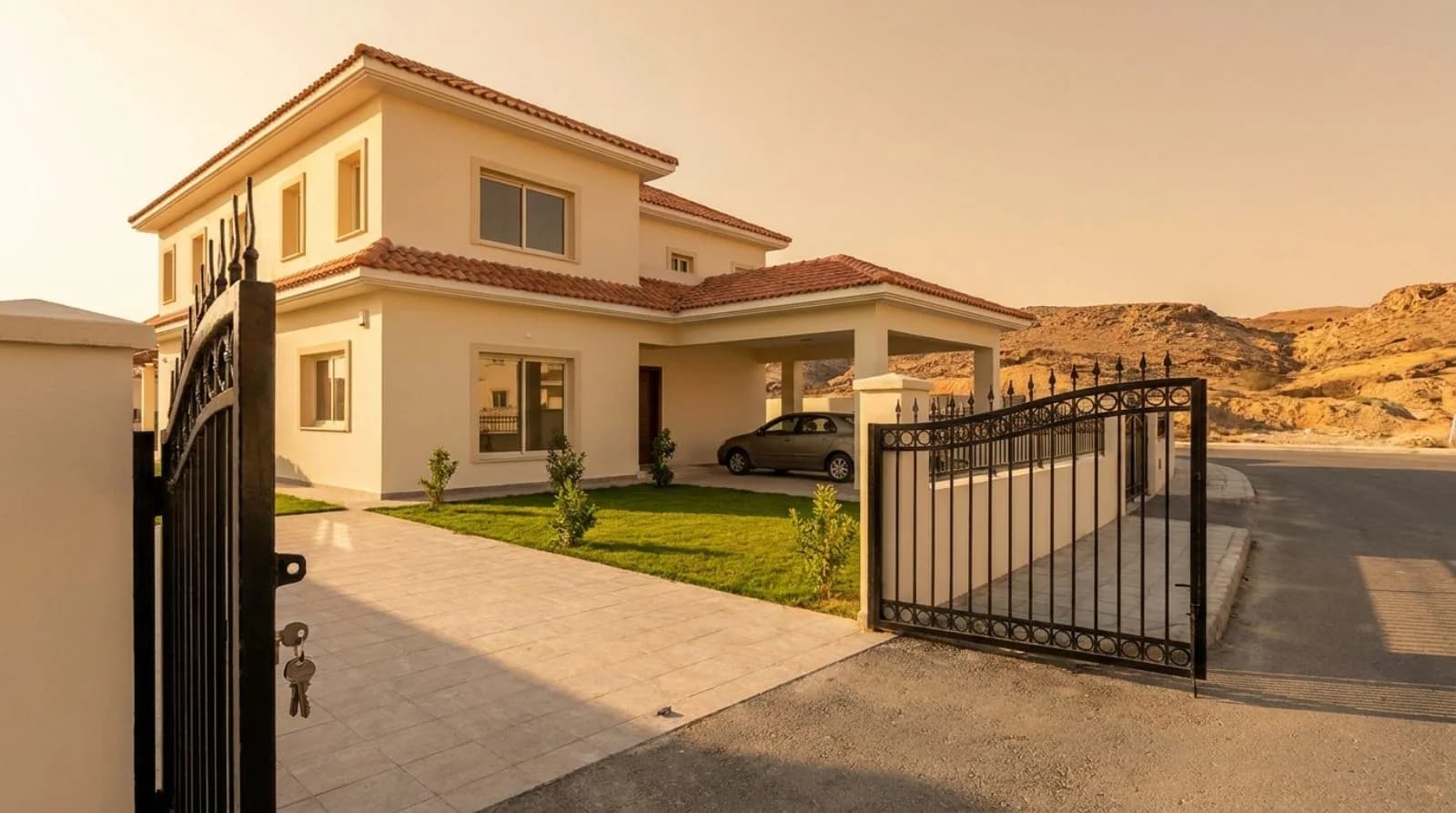
A home loan in Pakistan is financing from a bank, Islamic bank, microfinance bank or House Building Finance Company (HBFC) to buy, build or renovate a home. You apply with proof of identity and income, the lender checks your repayment capacity and the property's title and value, and you normally contribute at least 10% of the property value yourself. Under the government-backed Mera Ghar Mera Ashiana scheme, eligible borrowers pay a fixed 5% on loans of up to Rs10 million.
This guide explains how housing finance works, the limits the State Bank of Pakistan (SBP) sets for every lender, the current scheme terms, the documents banks ask for and the steps from application to disbursement.
How a home loan in Pakistan works
A lender pays most of the property price (or construction cost) and you repay it in monthly instalments over an agreed period. The property is kept as security until the loan is repaid. Lenders usually offer housing finance for:
- buying a house or flat that is already built;
- building a house on a plot you already own;
- buying a plot and then building on it, often as a combined product;
- renovating or extending an existing home.
Conventional and Islamic financing
Conventional banks charge interest (markup), usually linked to KIBOR plus the bank's margin, so instalments can change when the benchmark is reset. Islamic banks commonly use diminishing musharakah, in which the bank and you jointly own the property, you pay rent on the bank's share and gradually buy that share. In both cases, compare the total cost over the full term, not only the first instalment.
SBP limits that apply to every lender
The SBP sets minimum rules for all banks. Under the 2026 regulations:
- Loan-to-value: up to 90:10, meaning the lender can finance up to 90% of the property value and you pay at least 10%.
- Tenor: up to 30 years for housing finance.
- Debt burden: your total monthly repayments on all consumer loans, including the new home loan, should not exceed 65% of your net disposable income.
- Valuation: loans above Rs10 million need a valuation from at least one valuer on the Pakistan Banks' Association (PBA) panel.
- Insurance or takaful: the financed property must be covered for the outstanding amount.
These are maximums. Each bank applies its own policy within them, so your actual loan amount, tenor and age limits may be lower.
Mera Ghar Mera Ashiana: current terms
Mera Ghar Mera Ashiana is the federal government's subsidised housing finance scheme, run through banks. The terms below are those notified by the SBP in March 2026.
| Item | Terms as notified (March 2026) |
|---|---|
| Maximum loan | Rs10 million |
| Rate paid by the borrower | Fixed 5%; the government subsidises the markup for the first 10 years |
| Maximum tenure | Up to 20 years |
| Property size | Houses up to 10 marla or 2,720 sq ft; flats up to 1,500 sq ft |
| Your contribution | Loan-to-value of 90:10, so at least 10% equity |
| Lenders | Commercial banks, Islamic banks, microfinance banks and HBFC |
| Fees | No processing charges or prepayment penalty, as reported at the time of the notification |
Two points are worth asking your bank to confirm in writing before you sign:
- 1What rate applies after year 10. The subsidy covers the first 10 years while the tenure can be up to 20 years. Ask how the rate is set for the remaining years and see a full repayment schedule.
- 2Eligibility conditions. Ask whether the bank requires you to be a first-time home owner, and whether your property type and location qualify.
If you live abroad, banks also offer housing finance through the Roshan Digital Account. See our guide to buying property through a Roshan Digital Account.
Who can apply
Banks lend to salaried people, self-employed professionals and business owners. The 2026 SBP regulations also include a simplified application form for people with informal income, assessed using income-estimation models circulated by the PBA. Minimum income, minimum age, maximum age at the end of the loan and length of employment are set by each bank, so check these on the bank's product page or with its home finance desk.
Your credit history matters. Banks check your record with the SBP's credit bureau and private credit bureaus, so clear any overdue payments before applying.
Documents banks ask for
Personal and income documents
- Loan application form and signed product disclosure sheet.
- Copies of your CNIC (and your co-applicant's, if any) and passport-size photographs.
- Salaried applicants: recent salary slips and bank statements (the SBP regulations accept documents up to 60 days old).
- Business owners and professionals: bank statements, tax returns and business documents as the bank requires.
- Informal income: at least one expense document such as a rent agreement, utility bill, phone bill or school fee challan.
- Direct debit authority for instalments, where applicable.
Property documents
- Title documents: registered sale deed, transfer letter or allotment letter, and the seller's chain of ownership.
- Approved building plan, and completion certificate where one is required.
- Society or authority NOC for sale or mortgage, and proof that dues are clear.
- For construction: the approved map, a cost estimate (bill of quantities) and the construction schedule.
The bank's legal team will check the title, so it helps to verify the property documents yourself before you pay any token money.
How to apply for a home loan in Pakistan, step by step
- 1Work out what you can afford. Add up your net monthly income and existing loan payments, and keep the new instalment well below the 65% regulatory ceiling.
- 2Compare lenders. Ask at least two or three banks for their rate, tenure, fees, insurance cost and repayment schedule, both for Mera Ghar Mera Ashiana and their regular products.
- 3Get an eligibility check. Many banks give an initial assessment based on your income documents before you choose a property.
- 4Choose the property and check the title. Banks generally finance only properties with clear, transferable title in approved schemes.
- 5Submit the full application with personal, income and property documents.
- 6Valuation and legal checks. The bank arranges a valuation and a legal review of the title.
- 7Offer letter. Read the sanction or offer letter carefully: amount, rate, reset dates, tenure, insurance, charges and what happens if you pay early or late.
- 8Signing and security. You sign the finance documents and the mortgage or security documents, and the property is insured.
- 9Disbursement. For a purchase, the bank usually pays the seller directly at transfer. For construction, money is normally released in stages as work is inspected.
Estimating your instalment and debt burden
A simple example shows how the debt-burden rule works. These figures are hypothetical.
- Net monthly income: Rs200,000.
- Regulatory ceiling at 65%: Rs130,000 a month for all loan repayments combined.
- Existing car loan: Rs30,000 a month, leaving up to Rs100,000 for a home loan under the ceiling.
Borrowing up to the ceiling leaves little room for household costs, rate increases or a drop in income. Many borrowers are more comfortable keeping total repayments far lower. Use your bank's calculator for the exact instalment, and read how interest rates affect property buyers before choosing a floating-rate loan.
Common reasons for delays or refusals
- Title problems: missing links in the ownership chain, unregistered transfers or disputes.
- Unapproved property: an unapproved housing scheme, building plan or construction that does not match the approved map.
- Incomplete income evidence: income that cannot be documented or does not match bank statements.
- High existing debt: credit card and personal loan payments that push you over the bank's debt-burden limit.
- Valuation shortfall: the bank values the property below the agreed price, so the loan is smaller than expected.
Budget separately for taxes and transfer costs, which banks do not usually finance. See our guide to filer and non-filer property tax.
How NASASI Estate helps
NASASI Estate provides property advisory and documentation support for buyers in Quetta, including checking whether a property's paperwork is likely to satisfy a lender before you commit. For buyers who plan to build, we also offer construction services, and we support overseas Pakistanis who are buying from abroad. We do not arrange or approve loans; the bank makes the final credit decision.
Frequently asked questions
How much deposit do I need for a home loan in Pakistan?
SBP rules allow financing of up to 90% of the property value, so you need at least 10%, plus taxes, transfer fees and other costs. Individual banks may ask for more.
Can I get Mera Ghar Mera Ashiana financing to build on my own plot?
The scheme covers construction as well as purchase, within the size limits of 10 marla for houses. Ask participating banks how they disburse construction finance and what documents they need for your plot.
How long does approval take?
It depends on the bank and on how quickly the title and valuation checks are completed. Clear documents and a property in an approved scheme usually shorten the process.
Can overseas Pakistanis get a home loan in Pakistan?
Yes, several banks offer housing finance to non-resident Pakistanis, including through the Roshan Digital Account. Income abroad must be documented, and terms differ from resident products.