Property Guide
Hidden Costs of Buying Property in Pakistan: Taxes, Fees and Charges to Budget For
The asking price is only part of the cost. This guide lists the taxes, provincial charges, society fees, commission and legal costs a buyer in Pakistan should budget for, and where to confirm each figure.
By Naimat Khan8 min read
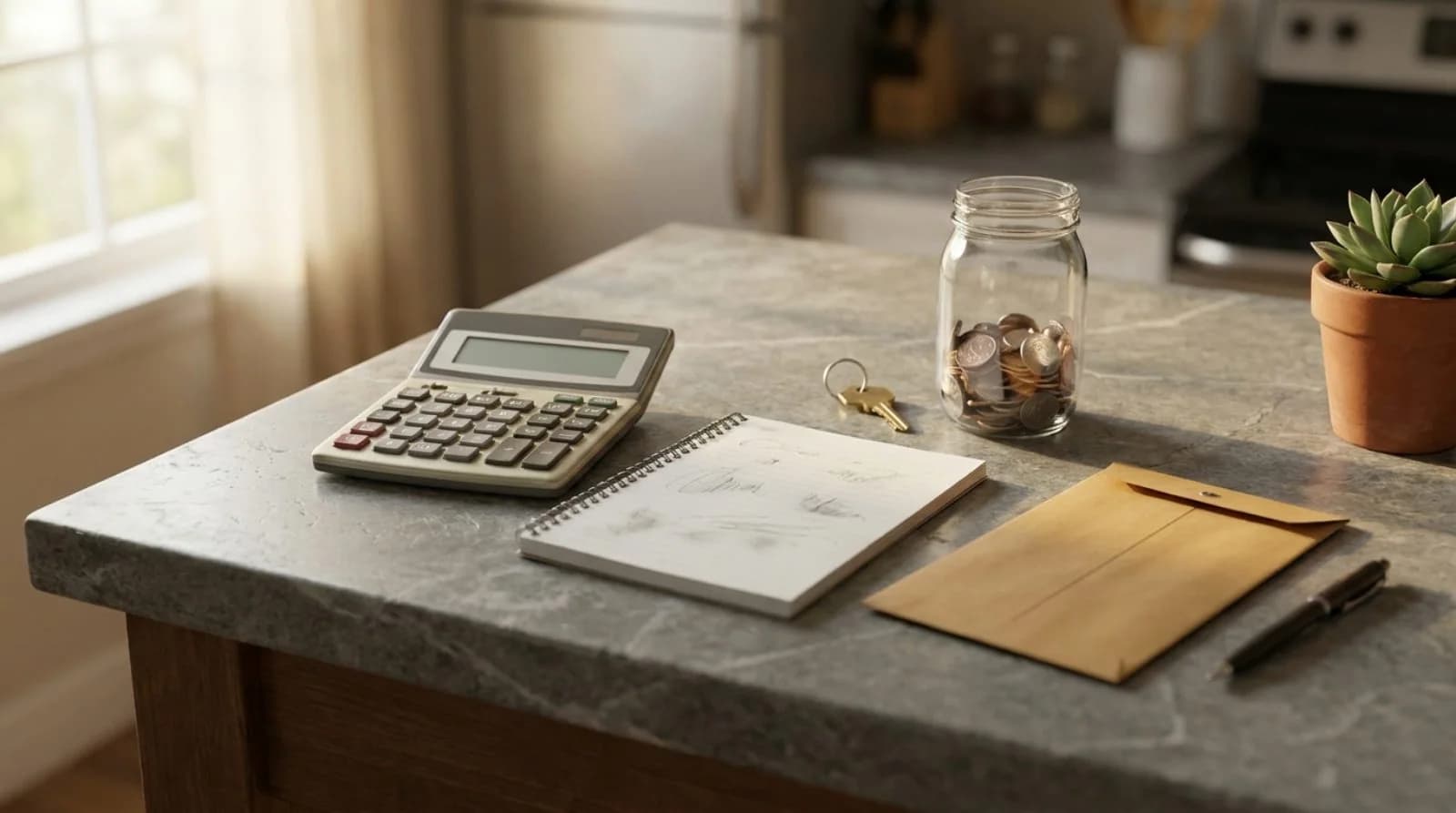
The price on the agreement is not the full cost of buying property. On top of it, a buyer in Pakistan usually pays federal advance tax, provincial stamp duty and registration charges, a society or authority transfer fee where one applies, a dealer's commission, legal and verification costs, and the cost of getting utilities and records into their own name. Together these hidden costs of buying property in Pakistan can add a meaningful percentage to your budget, so they should be checked and written down before you pay any token money.
This guide lists each cost, explains who normally pays it and how it is calculated, and shows you where to confirm the current figure. We give rates only where we could verify them from an official or reputable source; for everything else we explain how to get the exact amount for your property.
Why the hidden costs of buying property in Pakistan matter
Many buyers set a budget equal to the asking price and then find they are short when the transfer date arrives. Some costs are fixed percentages of a government valuation rather than the price you agreed, so they can be higher or lower than expected. Others, such as society transfer fees, change from one scheme to the next. Missing even one of them can delay the transfer or force you to renegotiate at the last minute.
The main costs at a glance
| Cost | Who usually pays | How it is worked out | Where to confirm |
|---|---|---|---|
| Advance tax on purchase (section 236K) | Buyer | Percentage of the FBR value; much higher for non-filers | FBR withholding tax card, your tax adviser |
| Advance tax on sale (section 236C) | Seller | Percentage of the gross amount; higher for non-filers | FBR withholding tax card |
| Stamp duty and registration fee | Normally buyer (negotiable) | Provincial rate on the declared or official value | Sub-Registrar office, Excise and Taxation |
| Society or authority transfer fee | Set by agreement; often buyer | Fixed amount or rate set by the society | The society's transfer office |
| Dealer commission | Each side pays its own dealer | Agreed percentage or fixed fee | Written agreement with the dealer |
| Legal and verification costs | Buyer | Lawyer's fee, search and copy fees | Your lawyer, land record office |
| Utility and record transfers, arrears | Agreed between parties | Bills, security deposits, unpaid dues | Utility companies, society, Excise office |
Federal taxes: 236K and 236C
Two federal advance taxes apply to most transfers of immovable property. Section 236K is collected from the buyer, and section 236C from the seller. They are collected by the registering authority or the society at the time of transfer, and both are adjustable against your income tax liability if you file a return.
- Filers pay far less. For people on FBR's Active Taxpayers List, the Finance Act 2026 brought 236K down to 1.25% and 236C down to 2.75%. Non-filers pay much higher rates that rise with the property value.
- The base is the official value. These taxes are generally worked out on the FBR valuation (or the declared value if higher), not only on the price you negotiated.
- Check your status before you sign. If you are not yet on the Active Taxpayers List, ask a tax adviser whether filing first would reduce the tax, and how long it takes to appear on the list.
We explain both taxes in more detail, with worked examples, in our guide to filer vs non-filer property tax in Pakistan.
Provincial charges: stamp duty and registration
Stamp duty and registration fees are set by each province, so the rate in Quetta is not the same as in Lahore or Karachi. They are charged when a sale deed is registered with the Sub-Registrar, and they are usually calculated on the higher of the declared price and the official district valuation.
How to get the exact figure
- 1Ask the Sub-Registrar office or the Excise and Taxation department for the current rate and the official valuation for your area and property type.
- 2Ask whether any additional duty or local charge applies on top of the basic stamp duty.
- 3Get the total in writing from your lawyer, with the basis of calculation.
Do not rely on online calculators or a dealer's estimate for this number. Provincial finance acts change rates, and a wrong figure can leave you short on the day of registration.
Society and authority fees
In a housing society or development authority, the transfer often happens through the society's own office rather than (or as well as) the Sub-Registrar. Societies commonly charge a transfer fee and may also require a no-demand certificate showing that all dues are cleared. Typical items to ask about:
- Transfer fee and any urgent-processing fee.
- Outstanding development charges or instalments on the file or plot.
- Maintenance or service charges in arrears.
- Fees for a new allotment letter, site plan, possession letter or NOC.
Each society sets its own amounts, so get a written list from the transfer office. Agree in the sale agreement who pays the transfer fee and who clears any arrears.
Dealer commission and sales tax on services
Most buyers and sellers in Pakistan use a property dealer, and each side normally pays its own dealer. There is no single legal rate; the amount is a matter of agreement, so settle it in writing before the dealer starts work and before any token money changes hands.
In Balochistan, the Balochistan Revenue Authority has said that people and firms providing services connected with buying, selling or renting immovable property must register and pay 5% sales tax on those services. If your dealer is registered, the invoice may show this tax on top of the commission. Ask in advance whether the quoted commission includes it.
Legal, verification and documentation costs
These are small compared with the taxes, but they protect the rest of your money. They include:
- A lawyer's fee for checking title and drafting or reviewing the agreement and sale deed.
- Fees for copies of land records, fard or ownership extracts, and society verification letters.
- Stamp paper and notary charges for the agreement to sell.
- Courier and attestation costs if any party is abroad and signs through a power of attorney.
Our guides on verifying property documents in Quetta and spotting property fraud explain what these checks should cover.
Costs after the transfer
Some costs arrive only after the property is in your name:
- Utility transfers. Changing electricity, gas and water connections into your name may need a fee and a new security deposit. Check for unpaid bills before transfer, since arrears can follow the meter.
- Property tax. Urban immovable property tax is a provincial tax administered by the Excise and Taxation department. Check that the seller has cleared past dues and update the record in your name.
- Repairs and finishing. For an older house, set aside money for repairs found during inspection.
- Insurance and maintenance. Optional, but worth including in a full budget.
A simple budgeting method
- 1Write the agreed price at the top of a sheet.
- 2Get the FBR value and the provincial valuation for the property.
- 3Calculate 236K on the correct base using your actual tax status.
- 4Add stamp duty and registration fees as confirmed by the Sub-Registrar or your lawyer.
- 5Add the society transfer fee and any arrears you have agreed to pay.
- 6Add the dealer's commission and any sales tax on it.
- 7Add legal, verification and utility costs.
- 8Keep a contingency for repairs and price differences between valuations.
Put the agreed split of costs between buyer and seller into the written agreement. Our guide to the bayana agreement lists what that document should contain.
How NASASI Estate helps
NASASI Estate's advisory team can help you list the costs that apply to a specific property, collect the documents needed to confirm them, and coordinate with the society, lawyer and other parties during transfer. We also support overseas buyers who cannot attend in person. We do not give tax or legal advice; for that, we recommend a qualified tax adviser or lawyer.
Frequently asked questions
Who pays stamp duty when buying property in Pakistan?
The buyer normally pays stamp duty and registration charges, but this is a matter of agreement. Write the split clearly in the agreement to sell.
Are 236K and 236C taxes refundable?
They are advance taxes that can be adjusted against your final income tax liability when you file a return. Whether you get any money back depends on your overall tax position; ask a tax adviser.
Is the tax calculated on the price I paid?
Not always. Federal and provincial charges are usually based on official valuations, or the declared price if it is higher. Confirm the base before you calculate.
How much commission does a property dealer charge?
There is no fixed legal rate. Agree the amount in writing in advance, and ask whether sales tax on services is included.
Sources
- Profit by Pakistan Today, 12 June 2026: Government slashes property transfer taxes in Finance Bill 2026-27
- Dawn, 21 February 2026: Property dealers asked to register, pay sales tax
- Government of Balochistan: The Balochistan Sales Tax on Services Act 2015
- Profit by Pakistan Today, 25 February 2026: Balochistan taxes on property development and construction services