Construction
Grey Structure vs Finishing: Construction Stages and What Each Includes
What grey structure and finishing each cover when building a house, how contracts usually split the two stages, and what to check before signing off each one.
By Naimat Khan7 min read
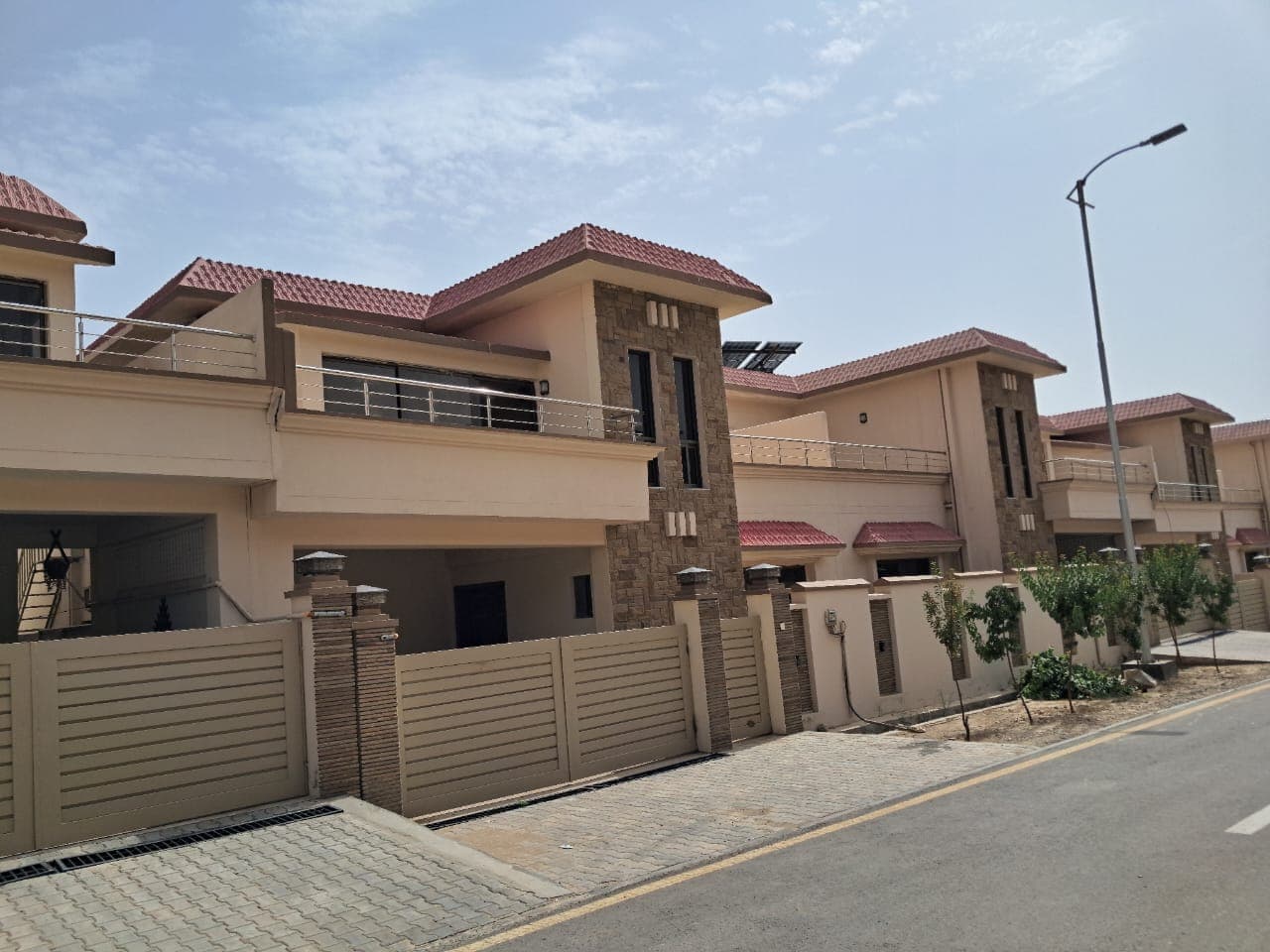
Grey structure is the load-bearing shell of a house: foundations, columns, beams, slabs, walls and the basic roof. Finishing is everything that makes that shell usable and liveable: plaster, flooring, doors, windows, kitchens, bathrooms, wiring fixtures and paint. Knowing exactly where one stage ends and the other begins helps you compare contractor quotes fairly, plan your budget in two phases and avoid disputes about what was "included".
This guide explains what each stage normally covers, how contracts in Pakistan usually split the work, and what to check before you sign off each stage. Exact scope always depends on your drawings and your written contract, so treat the lists below as a starting checklist rather than a fixed rule.
What grey structure means in house construction
"Grey structure" (often called the structure or shell stage) is the part of the build that carries the weight of the house and gives it its shape. Once it is complete, the house has walls, floors and a roof, but it is not yet habitable.
Work usually included in grey structure
- Site preparation: clearing, marking the layout from the approved drawings, and excavation.
- Foundations: footings or a raft, plinth beams and damp-proof course, as designed by the structural engineer.
- Frame: reinforced concrete columns, beams and slabs (roof and any upper floors), including steel reinforcement and shuttering.
- Masonry: brick or block walls up to roof level, including boundary walls if agreed.
- Staircase and parapets: the concrete or masonry structure, without final finishes.
- Concealed services (first fix): conduit pipes for electrical wiring, and the main water supply and drainage lines laid in walls and floors before plaster.
- Basic roof treatment: often a layer of insulation or waterproofing on the roof slab, depending on the contract.
Work usually not included in grey structure
Plaster, tiles, marble or other flooring, wood work, aluminium or uPVC windows, sanitary fittings, kitchen cabinets, light fittings and paint are normally outside the grey structure scope. Some contractors include internal and external plaster in grey structure and others do not, so this is one of the first lines to confirm in writing.
What finishing includes
Finishing turns the shell into a home. It is usually the stage where costs vary most, because the same house can be finished with very basic or very premium materials.
Typical finishing items
- Plaster and surface work: internal and external plaster (if not already done), putty and ceiling work.
- Flooring: tiles, marble, porcelain or wooden flooring, plus skirting and staircase finishes.
- Doors and windows: door frames and shutters, window frames, glass, grills and hardware.
- Electrical (second fix): wiring through the conduits, switchboards, sockets, the distribution board, earthing and light fittings.
- Plumbing and sanitary (second fix): taps, basins, toilets, showers, water heater connections and kitchen sink.
- Kitchen and wardrobes: cabinets, counter tops and built-in cupboards.
- Paint and polish: wall paint, wood polish and external weather coat.
- External works: driveway, gate, boundary wall finish, landscaping and any water tank finishing.
How contracts usually split the two stages
In Pakistan, residential work is commonly agreed in one of three ways. None is automatically better; each shifts responsibility differently.
| Contract type | Who buys materials | What to watch |
|---|---|---|
| Labour-only contract | Owner | You manage purchasing, quality and wastage; the contractor supplies labour and supervision only. |
| Grey structure contract (with material) | Contractor, for the structure stage | Material grades and quantities must be specified, otherwise cheaper substitutes can be used. |
| Complete (turnkey) contract | Contractor, for both stages | Finishing materials need a written specification by brand, grade or price band per item. |
Many owners use a grey structure contract first and then decide on finishing once they have seen the shell and reviewed their budget. If you do this, make sure the grey structure contractor leaves the house ready for the finishing team, for example with conduits and pipes tested and correctly positioned.
Building in Quetta: points that affect the grey structure
Some decisions cannot easily be corrected once the structure is complete, so they deserve attention before concrete is poured.
Earthquake resistance
The Pakistan Meteorological Department describes Quetta as being located in the most active seismic zone of Pakistan. The Building Code of Pakistan (Seismic Provisions 2007) sets seismic design requirements for structures. In practice, this means the structural drawings should be prepared by a qualified engineer, and steel, concrete and column-beam connections should be built as drawn rather than "adjusted" on site.
Approvals and drawings
Approval requirements depend on where the plot is: a housing society, a cantonment area or an area under city authorities each has its own rules. Confirm the approval route with the relevant authority before excavation, and keep the approved drawing on site so the contractor builds to it.
Cold winters
Quetta has cold winters, so decisions such as roof insulation, wall thickness, window positions and space for heating appliances and gas or electric lines are easier to make during the structure stage than to retrofit later.
Checks before signing off each stage
Before accepting grey structure
- 1Compare the built structure with the approved architectural and structural drawings (room sizes, column positions, slab levels).
- 2Check walls and columns for alignment and plumb, and slabs for obvious cracks or honeycombing.
- 3Ask for pressure testing of water lines and a flow test of drainage before they are covered.
- 4Confirm that electrical conduits are in place for every planned switch, socket and appliance.
- 5Check the roof slope and waterproofing so rain does not pond.
- 6Keep receipts or delivery records for steel and cement if the contractor supplied them.
Before accepting finishing
- 1Check every item against the finishing specification (brand, grade, colour, size).
- 2Test all switches, sockets, the distribution board and earthing.
- 3Run every tap, flush and drain; look for leaks and slow drainage.
- 4Inspect tiles for hollow spots, uneven levels and poor grout lines.
- 5Open and close all doors and windows; check locks and sealing.
- 6Agree a written snag list and a retention amount until snags are fixed.
Budgeting the two stages
Construction costs change with material prices and with your choice of specification, so any fixed per-square-foot figure quickly goes out of date. A more reliable method is to get itemised quotes for both stages based on the same drawings, and to compare them line by line. Keep a contingency for price changes and unforeseen site conditions, and agree a payment schedule linked to completed work, not to dates.
For a wider list of things to settle before work starts, see Questions to ask before starting construction.
How NASASI Estate helps
NASASI Estate coordinates construction for clients who buy through us or who already own a plot. That includes reviewing the site and property first, agreeing the scope before any estimate, and coordinating planning, structure-to-finish work and progress against the plan. Learn more on our construction services page, or contact us to discuss your project.
Frequently asked questions
Is plaster part of grey structure or finishing?
It depends on the contract. Some contractors include internal and external plaster in grey structure and others treat it as finishing. Write it explicitly into your agreement.
Can I use one contractor for grey structure and another for finishing?
Yes, many owners do. Make sure the handover between them is clear, with tested pipes and conduits and an agreed list of what the first contractor leaves complete.
Why does finishing cost vary so much between quotes?
Finishing materials range widely in quality and price. Two quotes are only comparable if they specify the same brands, grades and quantities for each item.
Do I need an engineer for a single-storey house?
Structural design by a qualified engineer is strongly advisable in an earthquake-prone city such as Quetta, and approval authorities generally require proper drawings. Check the requirements of the authority responsible for your plot.