Property Guide
Questions to Ask a Property Dealer Before You Pay Anything
Eleven questions to ask a property dealer before paying token money in Quetta or elsewhere in Pakistan, covering ownership, documents, verification, payments and costs.
By Naimat Khan7 min read
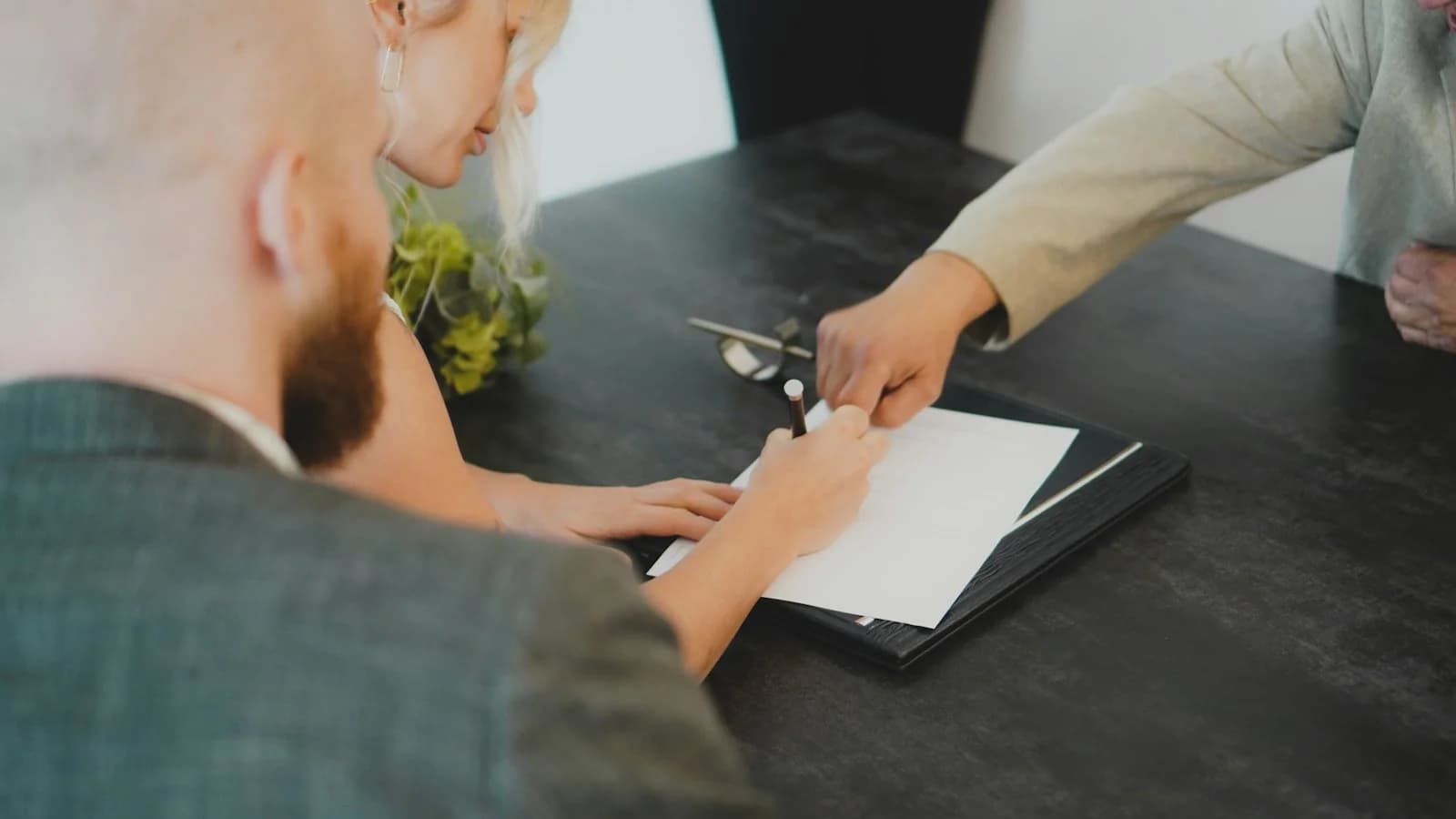
Before you pay a property dealer any money, whether token money, a booking amount or a "file fee", get clear written answers to a short list of questions. Who owns the property? Is the dealer authorised to sell it? Can you see the original documents? Who receives your payment, on what terms, and what will the full deal cost? A genuine dealer will answer these without pressure. Hesitation, vague answers or urgency are reasons to slow down.
Why the questions matter before the first payment
In most Pakistani property deals, the first money changes hands early, often as token money (bayana) to "hold" a property. Once paid, it can be hard to recover if the deal falls through, the seller turns out not to be the owner, or the property has a hidden problem. Asking the right questions before you pay is the cheapest protection you have.
Most dealers work honestly and add real value: they know the market, find buyers and sellers, and help with paperwork. The questions below are not about distrust. They help you confirm the facts that any legitimate deal should already have in place.
Questions about the dealer
1. Who are you, and where is your office?
Ask for the agency's name, a physical office address, and the name of the person handling your deal. Visit the office if you can. In housing societies such as DHA Quetta, ask whether the dealer is registered with the society. Some societies keep their own dealer registration.
2. Are you registered with the FBR as a real estate agent?
Since amendments to the Anti-Money Laundering Act, 2010 in September 2020, the FBR has been the anti-money laundering regulator for real estate agents. It has issued regulations, provides a registration channel, and has carried out inspections and imposed penalties on non-compliant firms. Asking about registration is a reasonable check of how professionally a firm operates. Anti-money laundering rules generally require agents to carry out customer due diligence, so expect a compliant agent to ask for your identity documents as well.
3. How is your commission calculated, and who pays it?
There is no single fixed commission rate across Pakistan, and practice varies by city, society and deal size. Agree the amount, who pays it (buyer, seller or both), and when it is due, in writing before you proceed.
Questions about the property and its owner
4. Who is the registered owner, and do you have written authority to sell?
The person selling must be the legal owner, or hold a valid power of attorney or written authority from the owner. Ask for the owner's name exactly as it appears on the title or society record. Ask to meet the owner, or speak to them directly, before any money is paid.
5. Can I see the original documents?
Photocopies or phone photos are a starting point, not proof. Depending on the property, documents may include:
- Society allotment or transfer letter, file or membership documents (for society property)
- Registry, mutation (intiqal) or fard records (for revenue land)
- Approved building plan and completion certificate (for a built house)
- Recent utility bills and property tax receipts
Our guide on how to verify property documents before buying land in Quetta explains each of these in more detail.
6. Has the property been verified with the society or land records office?
Verification should come from the issuing authority, not from the dealer alone. DHA Quetta, for example, publishes official procedures for document verification, no-demand certificates and transfers. Ask the dealer to arrange verification before you pay, or do it yourself. For DHA property, see our DHA Quetta plot verification and transfer guide.
7. Is there any loan, dispute, dues or tenant on the property?
Ask directly whether the property is mortgaged, under litigation, jointly owned with someone who has not agreed to sell, or occupied by a tenant. Ask about unpaid society dues or utility bills. Get the answers in writing. A no-demand or clearance certificate from the society, where available, confirms dues.
8. Can I visit the site and confirm the exact location and size?
Visit before paying. For plots, confirm the plot number on the ground, the boundaries or demarcation, the road width and the size against the documents. Size units vary, and a "marla" is not always the same area in every society. Our guide to marla, kanal and square feet explains why.
Questions about the money
9. Who will receive the token money, and how?
Wherever possible, pay the owner directly through a traceable banking channel (cheque, pay order or bank transfer) rather than cash. Avoid paying into a personal account that does not belong to the seller unless the owner has authorised it in writing. Get a signed receipt that names the property, the amount, the payer and the payee.
10. What are the terms of the token or sale agreement?
Before paying, agree in writing:
- The total price and the payment schedule
- The deadline for the balance payment and transfer
- What happens to the token money if either side backs out
- Who pays which costs (transfer fees, taxes, commission)
- The possession date and the condition of the property at handover
Read the agreement carefully, and have a lawyer or trusted adviser review it for larger amounts.
11. What is the total cost of the deal, beyond the price?
Ask for a written estimate of all charges: society transfer fees, federal and provincial taxes, registration and stamp costs where applicable, and commission. Tax amounts depend on your tax status and the property value, and rates are revised in budgets. Confirm current rates with the FBR, the relevant provincial authority or a tax adviser rather than relying on an old figure.
Warning signs to take seriously
- Pressure to pay today because "another buyer is waiting"
- A price well below similar properties nearby, with no clear reason
- No access to the owner, or excuses about why the owner cannot meet or speak
- Only copies of documents, never originals
- Requests for cash, or payment into an unrelated person's account
- Reluctance to put terms in writing or to allow independent verification
Any one of these does not prove fraud, but each is a reason to stop and check before paying.
A simple order of steps
| Step | What to do | Pay anything yet? |
|---|---|---|
| 1 | Identify the dealer, agree commission in writing | No |
| 2 | Confirm the owner and the dealer's authority | No |
| 3 | See original documents and visit the site | No |
| 4 | Verify with the society or land records office | Only official verification fees, if any |
| 5 | Sign a written token or sale agreement | Token money, by traceable payment, with receipt |
| 6 | Complete transfer at the authority, pay balance | Balance and official charges |
How NASASI Estate helps
NASASI Estate's advisory service helps buyers in Quetta check ownership details, review documents and understand the steps and costs before committing. We can support the documentation and transfer process, and we work with overseas Pakistanis who cannot be in Quetta in person. If you are considering a property, contact us before you make any payment.
Frequently asked questions
Is it normal to pay token money to a property dealer?
Token money is common in Pakistani property deals. It should normally go to the owner, or be held under clear written terms, and be paid through a traceable channel with a signed receipt.
Can I get my token money back if the deal fails?
It depends on the written agreement and the reason the deal failed. This is why the refund and forfeiture terms should be agreed in writing before payment. For disputes, take legal advice.
Why does a dealer ask for my CNIC and source of funds?
Real estate agents are covered by Pakistan's anti-money laundering rules, supervised by the FBR, which generally require customer due diligence. A request for identification is usually a sign of compliance, not a problem. Share documents only with a firm you have checked.
Should I verify documents even if the dealer is well known?
Yes. Verification with the issuing authority protects you regardless of who the dealer is. Reputable dealers expect and support it.