Property Guide
Property Investment in Quetta: A Beginner's Guide to Budget and Risk
Learn property investment in Quetta with this beginner's guide to budgeting, rental returns, DHA Quetta, legal checks, and investment risks.
By Naimat Khan13 min read

Property Investment in Quetta: A Beginner's Guide to Budget and Risk
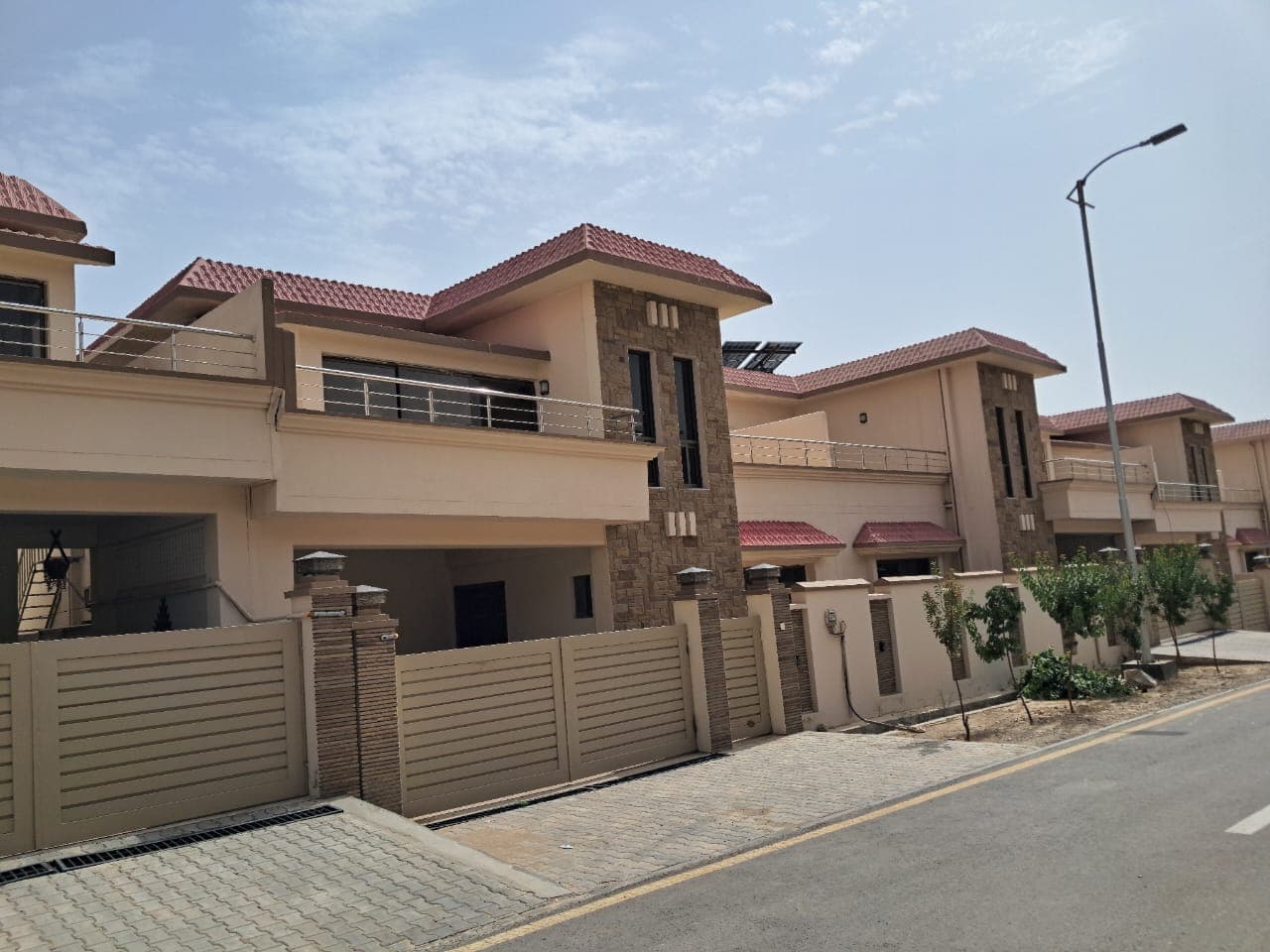
Property investment can be a way to build long-term wealth, generate rental income, or secure a plot for future construction. In Quetta, Pakistan, beginners can explore different opportunities, including residential plots, houses, commercial properties, and investments in organized housing schemes such as DHA Quetta and Zarghoon Housing Scheme.
However, property investment requires careful planning. A property that looks affordable may involve additional charges, legal complications, delayed development, or difficulty finding a buyer when you want to sell. The key is to understand your budget, investment goals, and risk tolerance before committing your money.
This beginner's guide explains how to plan a property investment budget in Quetta, compare investment options, identify common risks, and make a more informed decision.
1. Understand Your Property Investment Goals
Before searching for property, decide why you want to invest. Your goal will influence the type of property you should consider, the amount you need, and how long you may need to hold the investment.
Investment for long-term appreciation
Some buyers purchase land or plots and hold them for several years, hoping their value will increase. The outcome depends on factors such as location, infrastructure, demand, development progress, and wider economic conditions.
This approach requires patience and the ability to hold the property without depending on an immediate resale.
Investment for rental income
Houses, apartments, shops, offices, and other rentable properties may generate recurring income. However, the purchase price is only one part of the calculation. Maintenance, vacancy periods, taxes, management expenses, and repairs can reduce the actual return.
Investment for future construction
Some buyers purchase a plot with the intention of building a home later. Their priorities may include access, neighbourhood suitability, utilities, development status, and the cost of future construction.
Investment for business use
Commercial property may suit investors planning to establish an office, shop, clinic, showroom, or other business. Its suitability depends on access, visibility, customer demand, permitted use, and the cost of preparing the premises.
Beginner's tip: Choose one primary objective before comparing properties. A plot intended for long-term appreciation should not be evaluated in exactly the same way as a shop purchased for rental income.
2. Decide How Much You Can Afford
Your property budget should be based on your financial capacity rather than the maximum amount a seller or broker suggests you can spend.
Start by reviewing your savings, monthly income, household expenses, existing liabilities, and emergency reserves.
A sensible investment plan should allow you to meet your normal expenses even if the property takes longer than expected to sell or does not generate immediate income.
The main components of a property budget
| Budget item | What to consider |
|---|---|
| Purchase price | The agreed price of the plot, house, or commercial property |
| Taxes and transfer costs | Applicable taxes, registration charges, and transfer fees |
| Outstanding dues | Installments, development charges, or other liabilities, where applicable |
| Legal verification | Lawyer's fees, document checks, and professional advice |
| Inspection and valuation | Surveying, boundary checks, or independent valuation, where needed |
| Construction or renovation | Building costs, repairs, utilities, and finishing |
| Maintenance | Security, repairs, service charges, and upkeep |
| Emergency reserve | Funds kept available for unexpected expenses or delays |
The actual amounts will vary according to the property and the applicable rules. Obtain current written estimates before finalizing your budget.
3. Calculate the Total Cost Before Buying
A common beginner's mistake is to focus only on the advertised property price.
Suppose you are considering a hypothetical plot advertised for Rs 5,000,000. You should also account for transfer costs, legal verification, any outstanding dues, and a contingency reserve.
The following example illustrates how additional costs can affect the total budget. These figures are illustrative only, not current market rates or a quotation for any Quetta property.
| Expense | Illustrative amount |
|---|---|
| Property purchase price | Rs 5,000,000 |
| Taxes and transfer expenses | Rs 150,000 |
| Legal and verification costs | Rs 30,000 |
| Other initial expenses | Rs 70,000 |
| Illustrative total | Rs 5,250,000 |
In this example, the investment requires Rs 250,000 more than the advertised price.
Before purchasing, request a breakdown of all applicable costs. If the property is being sold through installments, confirm the payment schedule, due dates, penalties, and conditions governing transfer or cancellation.
4. Explore Property Investment Options in Quetta
Quetta offers different property types, each with its own financial requirements and risks. No category is automatically the best investment for every buyer.
<AsyncImageGroup query={["DHA Quetta residential housing development Pakistan","Zarghoon Housing Scheme Quetta residential plots","Quetta Pakistan residential houses street","commercial shops and buildings Quetta Pakistan"]} layout="bento" aspectRatio="5:4" size="lg" />
Residential plots
Residential plots may appeal to buyers planning to build a home or hold land for the longer term.
Before purchasing, assess the development status, access roads, utility availability, legal ownership, plot location, and likely demand from future buyers.
A plot without immediate rental income may require you to wait for appreciation before realizing a return.
Houses and constructed properties
A completed house may offer the option of personal use or rental income, depending on its location and condition.
Inspect the building, estimate repair costs, confirm the legal status, and investigate local rental demand before making an offer.
Commercial property
Shops, offices, and commercial units may provide rental income when there is sufficient demand from businesses.
However, commercial property can involve higher initial costs, fit-out expenses, vacancies, and greater dependence on the suitability of the location.
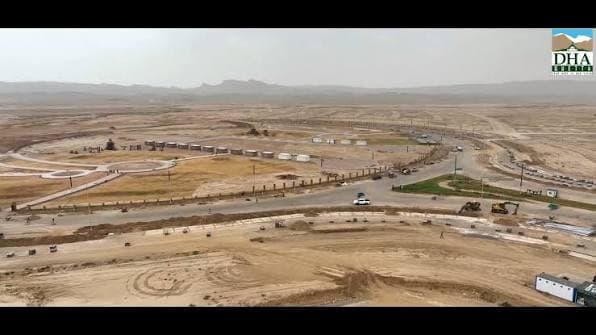
DHA Quetta property
Buyers interested in DHA Quetta may consider available residential plots, files, or other property categories, subject to the relevant official terms and current availability.
Before investing, verify the particular property's status directly with DHA Quetta, including its recorded holder, transfer eligibility, applicable dues, location, and possession position.
Official resources include the DHA Quetta website and its official GIS map.
A file, allocation, or barcode should not automatically be treated as equivalent to a possession-ready plot or a guaranteed financial return.
Zarghoon Housing Scheme and other locations
Buyers may also investigate Zarghoon Housing Scheme and other residential areas of Quetta.
Compare each property using the same criteria: legal status, access, services, development progress, asking price, resale demand, and total acquisition cost. Verify the scheme's status and the specific property's ownership through the relevant authority before proceeding.
5. Understand the Main Risks of Property Investment
Every property investment involves uncertainty. Beginners should understand the risks before deciding how much money to commit.
Legal and ownership risk
Ownership documents may be incomplete, inconsistent, disputed, or insufficient to establish a seller's right to transfer the property.
How to reduce the risk: Have a qualified property lawyer review the title and relevant records. Confirm the seller's identity, authority to sell, and transfer requirements with the competent authority.
Market risk
Property prices can rise, remain unchanged, or fall. Economic conditions, interest rates, buyer demand, development progress, and local circumstances can influence prices.
How to reduce the risk: Compare recent, verifiable transactions where available rather than relying only on advertised prices or predictions from sellers.
Liquidity risk
Land and houses can take time to sell. Even when an asking price appears attractive, finding a buyer willing to pay that amount may be difficult.
How to reduce the risk: Avoid investing money that you may need immediately. Consider how long you could comfortably hold the property if resale takes longer than expected.
Development risk
A plot may be in an area where roads, utilities, or other infrastructure are incomplete or delayed.
How to reduce the risk: Confirm the actual development status, approved layout, access, utility arrangements, and possession details with the relevant authority.
Installment and cash-flow risk
Installment-based purchases can become difficult if your income decreases or unexpected expenses arise.
How to reduce the risk: Prepare a payment calendar, understand the consequences of late payment, and maintain sufficient funds for upcoming installments.
Rental and vacancy risk
A house or shop may remain vacant for some time, or the rent may be lower than anticipated.
How to reduce the risk: Research comparable rental properties and calculate returns after allowing for vacancies, repairs, taxes, and management expenses.
Fraud and misrepresentation risk
A seller or intermediary may make unsupported claims about ownership, approval, possession, prices, or guaranteed profits.
How to reduce the risk: Verify information independently, insist on proper documentation, and avoid pressure to make immediate payments.
6. Calculate Potential Rental Return
If your goal is rental income, estimate the annual return rather than judging the property solely by its monthly rent.
The basic gross rental yield formula is:
[
\text{Gross Rental Yield} =
\frac{\text{Annual Rent}}{\text{Total Purchase Cost}}
\times 100
]
For example, suppose a property costs Rs 10,000,000 in total and generates Rs 600,000 in annual rent.
[
\frac{600,000}{10,000,000}\times100=6%
]
The gross rental yield would be 6% per year.
This is before deducting maintenance, vacancies, taxes, management expenses, and other costs.
To estimate net rental yield, subtract relevant annual operating expenses from annual rental income before dividing by the total investment cost. Include major repair and renovation costs when assessing the overall investment.
A higher advertised rent does not necessarily mean a better investment if the property has high maintenance costs or remains vacant for long periods.
7. Compare Property Prices Carefully
Property advertisements are useful for identifying potential options, but an asking price is not necessarily the price at which a transaction will be completed.
When comparing properties in Quetta, consider:
- Location and accessibility.
- Plot size, frontage, and shape.
- Development and utility status.
- Legal ownership and transfer conditions.
- Nearby amenities and surrounding land use.
- Recent comparable transactions, where reliable information is available.
- Outstanding dues and other costs.
- Potential resale demand and the likely time needed to sell.
For DHA Quetta, compare properties within the relevant category and sector rather than assuming that every plot or file has the same value. Location, status, payment obligations, and transfer conditions can make a substantial difference.
Avoid relying on claims that a particular property will double in value or generate a guaranteed profit. No investment outcome can be assured.
8. Should Beginners Buy Cash or Through Installments?
Both approaches have advantages and disadvantages.
Cash purchase: May simplify the transaction and avoid future installment obligations, but it can tie up a large amount of money in one asset.
Installment purchase: May make an investment accessible without paying the full amount immediately, but it creates continuing financial commitments and may involve additional charges or restrictions.
Before choosing an installment plan, calculate the total payable amount, not just the booking payment or monthly installment. Check the schedule, late-payment consequences, cancellation conditions, refund provisions, and transfer eligibility in the relevant agreement.
Only commit to payments that you can reasonably sustain under less favourable financial conditions.
9. Build a Beginner-Friendly Investment Plan
A structured plan helps you avoid impulsive decisions.
- 1Set your objective. Decide whether you want rental income, long-term appreciation, a future home, or commercial use.
- 2Establish your budget. Identify available savings, recurring income, existing obligations, and the amount you can safely invest.
- 3Keep an emergency reserve. Do not commit every available rupee to the purchase.
- 4Shortlist suitable properties. Compare residential plots, houses, commercial units, or relevant housing scheme options.
- 5Research the market. Check comparable asking prices and verified transactions where available.
- 6Verify legal documents. Confirm ownership, approval status where relevant, transfer eligibility, and outstanding liabilities.
- 7Inspect the property. Visit the site and verify its location, boundaries, access, and condition.
- 8Calculate the full cost. Include transaction expenses, repairs, installments, and ongoing costs.
- 9Review the agreement. Seek independent legal advice before signing or paying a substantial advance.
- 10Plan your exit. Consider how you would sell, rent, or use the property if your circumstances change.
10. Common Mistakes First-Time Property Investors Should Avoid
New investors can reduce unnecessary risk by avoiding these common errors:
- Buying solely because a broker says the price will increase.
- Ignoring transfer charges, taxes, and outstanding dues.
- Purchasing without independently verifying ownership.
- Confusing a file or booking receipt with confirmed ownership or possession.
- Investing all savings in a single property without retaining an emergency reserve.
- Assuming that rental income will start immediately.
- Overlooking development delays or incomplete utilities.
- Borrowing more than they can comfortably repay.
- Relying on unverified claims about approval or resale demand.
- Signing documents without understanding their terms.
A careful buyer is not necessarily the person who completes a transaction quickly. It is the person who understands what they are purchasing, what it will cost, and what could go wrong.
Frequently Asked Questions (FAQs)
1. How much money do I need to start investing in property in Quetta?
There is no single minimum amount. It depends on the property type, location, payment terms, and additional costs. Set a budget first and compare available properties against the total amount you can safely afford.
2. Is DHA Quetta a suitable option for beginners?
It may be worth considering, depending on your budget, goals, and willingness to accept the risks associated with the specific property. Verify the current status, transfer eligibility, outstanding dues, development position, and possession details directly with DHA Quetta.
3. Is buying a plot better than buying a house?
A plot may suit someone planning to build later or hold land for appreciation. A house may provide personal use or rental income, but it can also involve repair and maintenance costs. The better option depends on your objectives and financial circumstances.
4. Is property investment in Quetta risk-free?
No. Property investments can involve legal, market, liquidity, development, and cash-flow risks. Proper verification and financial planning can reduce some risks but cannot eliminate them.
5. How can I estimate the return on a property investment?
For a rental property, calculate gross and net rental yields using realistic rental income and all relevant expenses. For a plot held for appreciation, compare the total acquisition and holding costs with the eventual selling price. Neither calculation guarantees a future profit.
6. Should I buy property through installments?
Installments may suit buyers with reliable income and manageable payment commitments. Compare the total payable amount, payment schedule, fees, late-payment conditions, and cancellation terms before committing.
7. How do I avoid property fraud in Quetta?
Verify the seller's identity and legal authority, examine the ownership documents, confirm records with the competent authority, inspect the property, and have a qualified lawyer review the transaction. Avoid paying based solely on verbal assurances.
Conclusion
Property investment in Quetta can serve different goals, from securing a future home to generating rental income or pursuing long-term appreciation. Success begins with a realistic budget, careful comparison, legal verification, and an honest assessment of risk.
Before investing in DHA Quetta, Zarghoon Housing Scheme, or any other area, calculate the complete cost, confirm the property's status, and avoid relying on promises of guaranteed returns. Choose a property that fits your financial capacity and investment horizon rather than stretching your budget for a speculative opportunity.
NASASI Estate encourages buyers to research carefully, verify every material claim, and seek professional advice before committing their savings.
Disclaimer: This article is for general educational purposes and does not constitute financial, investment, or legal advice. Property prices, fees, market conditions, and approval status can change. Verify current details independently with the relevant authorities and qualified professionals before making an investment decision.