Property Guide
Houses for Sale in Quetta: A Practical Guide for Homebuyers
Looking for houses for sale in Quetta? Learn how to compare areas, inspect construction, check utilities, verify ownership, and plan your buying budget.
By Naimat Khan11 min read
Houses for Sale in Quetta: A Practical Guide for Homebuyers
Buying a house is one of the most important financial decisions a family can make. If you are searching for houses for sale in Quetta, it is essential to consider more than the asking price. The property's location, construction quality, legal documents, utility connections, neighbourhood facilities, and future maintenance costs all influence whether a house is suitable for your needs.
Quetta offers a range of residential options, from houses in established neighbourhoods to properties in planned housing schemes. Whether you want a ready-to-move-in home, a house for your family, or a property with potential rental income, careful research can help you make a more informed decision.
This practical guide explains how to evaluate houses for sale in Quetta, avoid common buying mistakes, and choose a property that fits your budget and lifestyle.
1. Define Your Homebuying Requirements
Before contacting property dealers or visiting houses, decide what you need from your future home. A clear list of priorities will help you focus on suitable properties.
Consider the following questions:
- What is your total purchasing budget?
- How many bedrooms and bathrooms do you need?
- Do you prefer a single-storey or double-storey house?
- How much parking space is required?
- Do you need a lawn, terrace, or additional storage?
- How close should the property be to your workplace, schools, or family?
- Are you looking for immediate possession or willing to consider a property requiring renovation?
Also decide which requirements are essential and which are optional. This will help you compare properties objectively instead of being influenced by appearance alone.
2. Explore Suitable Areas in Quetta
The location of a house affects daily convenience, the living environment, and potential resale demand. Quetta has established residential neighbourhoods, planned housing schemes, and developing areas that buyers can investigate.
DHA Quetta
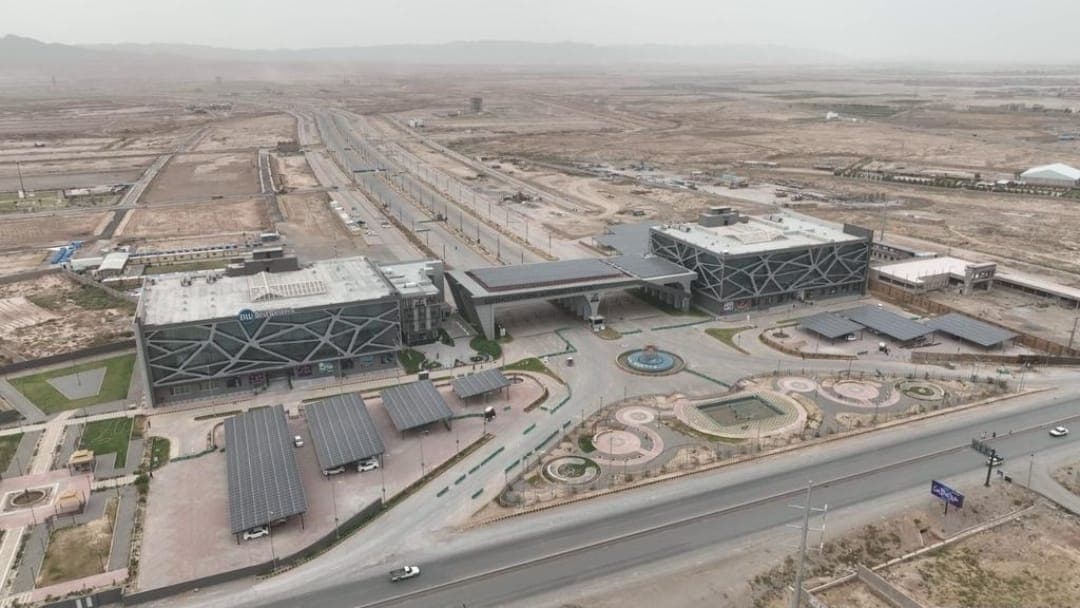
DHA Quetta is a planned residential development that may interest buyers looking for residential plots or houses, subject to current availability and development status.
Before purchasing a house or plot in DHA Quetta, verify the exact location, allocation or ownership, possession eligibility, development status, utility arrangements, and applicable charges.
You can consult the official DHA Quetta website and its GIS map to research the development and mapped locations. A mapped plot should not automatically be assumed to be ready for possession or construction.
Zarghoon Housing Scheme
Zarghoon Housing Scheme is another option for homebuyers researching residential property in Quetta. Compare the available houses based on their location, construction quality, accessibility, legal documentation, and actual utility arrangements.
Verify the specific property's status and price rather than assuming that every property in the scheme has identical features or conditions.
Established Neighbourhoods
Established localities may appeal to families who value existing markets, schools, healthcare facilities, and access to everyday services.
When inspecting a house, assess the street, parking arrangements, surrounding buildings, road access, drainage, and neighbourhood conditions. Facilities can differ even between streets in the same locality.
Developing Residential Areas
Developing areas may provide options for different budgets, but buyers should examine the availability of infrastructure and services carefully.
Check the legal status of the property, access roads, water supply, electricity, sewerage, and any relevant development plans. Treat future facilities as uncertain until their status is independently verified.
3. Set a Realistic Budget
The purchase price is only one part of the total cost of buying a house. Additional expenses can make a substantial difference to affordability.
Your budget should account for:
- Agreed purchase price.
- Applicable taxes, transfer fees, and registration charges.
- Outstanding property dues, if any.
- Legal review and document verification.
- Renovation or repair work.
- Electrical, plumbing, and other maintenance.
- Furniture, appliances, and moving expenses.
- Ongoing utility bills and property maintenance.
For example, a house advertised at an attractive price may need extensive plumbing, electrical, or structural repairs. Another house with a higher asking price may require less immediate work. Compare the total cost of making each property suitable for your family.
Keep an emergency reserve rather than spending your entire available budget on the purchase.
4. Choose the Right House Size and Layout
The right house should provide enough space for your family without creating unnecessary financial pressure.
Compact houses
Smaller houses may suit small families, couples, or buyers seeking manageable maintenance costs. Check that the layout provides adequate ventilation, storage, privacy, and usable living space.
Medium-sized family houses
Medium-sized houses may offer a balance between living space and affordability. Consider bedroom arrangements, common living areas, kitchen size, bathrooms, and parking.
Large houses
Larger houses may suit extended families or buyers who require additional rooms and outdoor space. However, they generally require more expenditure on construction, cleaning, utilities, and maintenance.
Single-storey versus double-storey houses
A single-storey house may be more convenient for older family members or people who prefer to avoid stairs. A double-storey house may offer more usable space on a smaller plot, depending on the design and applicable building rules.
Inspect the actual layout and consider your family's current and future requirements before deciding.
5. Inspect Construction Quality Carefully
A house may look attractive in photographs while concealing defects that are expensive to repair. Always arrange a physical inspection before finalizing the purchase.
Pay particular attention to:
- Cracks in walls, ceilings, or structural elements.
- Signs of dampness, seepage, or water damage.
- Roof condition and waterproofing.
- Quality of doors, windows, flooring, and finishing.
- Electrical wiring and distribution boards.
- Plumbing, drainage, and water pressure.
- Bathroom and kitchen fittings.
- Ventilation and natural light.
- Stairs, railings, and other safety features.
If you notice major cracks, persistent dampness, uneven floors, or other warning signs, consult a qualified engineer or building inspector.
For older houses, ask about previous repairs and inspect areas that may be concealed behind paint, cupboards, or decorative finishes.
6. Check Water, Electricity, Gas, and Drainage
Reliable utilities are essential for comfortable residential living. Before buying a house in Quetta, establish what services are actually available at the property.
Confirm the arrangements for:
Water supply: Ask about the source, reliability, storage capacity, and any additional arrangements used by the current occupants.
Electricity: Check the existing connection, electrical safety, wiring condition, and any relevant outstanding bills.
Gas: Verify whether a connection is available and operational, where applicable. Do not assume availability merely because neighbouring houses have gas.
Sewerage and drainage: Inspect drainage points and ask about any history of waterlogging or sewerage problems.
Internet and mobile coverage: Check the services available at the exact address if connectivity is important for work or study.
For vacant properties or newly developed areas, verify connection eligibility and any additional charges before committing to the purchase.
7. Assess Security and Neighbourhood Facilities
Your house should suit your family's everyday routine as well as your preferred living environment.
During a property visit, consider:
- Access to schools and educational institutions.
- Distance to hospitals, clinics, and pharmacies.
- Nearby grocery stores and markets.
- Road conditions and transportation options.
- Street lighting and parking.
- Noise levels and surrounding activities.
- The general condition of neighbouring properties.
- Security arrangements and access control, where applicable.
Visit the area at different times of day if possible. Speak with local residents to learn about everyday conditions, but independently verify any important claims.
No neighbourhood should be assumed to be completely free of security or environmental risks.
8. Verify Ownership and Legal Documents
Legal verification is one of the most important stages of buying a house. Do not rely solely on an estate agent's assurances or documents supplied by the seller.
Before paying a substantial advance, verify:
- 1The identity of the legal owner.
- 2The seller's authority to complete the sale.
- 3The relevant title, ownership, or allotment documents.
- 4Applicable transfer and registration procedures.
- 5Outstanding taxes, utility bills, or other dues.
- 6Any disputes, mortgages, encumbrances, or restrictions.
- 7Approved building plans or other relevant approvals, where applicable.
- 8The property's boundaries and identification.
The precise documents and process depend on the property's legal status and the applicable local requirements. Consider engaging a qualified property lawyer to review the documents before completing the transaction.
For a house in a planned housing scheme, contact the relevant authority or management office to confirm the current transfer status and any outstanding payments.
9. Understand the Sale Agreement and Payment Terms
Once you identify a suitable house, make sure the agreed transaction terms are clearly documented.
The agreement should accurately record the property details, agreed price, payment schedule, advance amount, completion arrangements, and responsibilities of the buyer and seller. It should also address relevant conditions if the transaction cannot be completed as planned.
Before transferring money:
- Confirm the recipient's identity and authority.
- Verify the property documents independently.
- Obtain a written receipt for every payment.
- Use traceable payment methods wherever possible.
- Confirm how and when possession will be handed over.
- Understand the consequences of delay or non-completion.
- Obtain professional legal advice where necessary.
Avoid paying the full amount solely on the basis of a verbal promise or an informal receipt.
10. Negotiate the Price Based on Evidence
Negotiation is a normal part of many property transactions. However, an effective offer should be based on the property's actual features and comparable market information.
Research similar houses in the same area, taking account of plot size, covered area, construction age, condition, location, and possession status.
You may have grounds to negotiate if the house requires repairs, has outstanding dues, lacks certain facilities, or is priced above comparable properties. Ask for supporting information instead of relying on an advertised price as proof of market value.
Avoid rushing because a seller claims that the opportunity is available for a very limited time. A property purchase should allow enough time for inspection and legal verification.
11. Consider Future Resale and Rental Potential
Even if you plan to live in your house for many years, resale or rental potential may matter if your circumstances change.
Properties with practical layouts, convenient access, suitable parking, reliable utilities, and verified documentation may appeal to a broader range of buyers or tenants. However, demand varies by locality and market conditions.
If you may rent out the house, research comparable rental properties and realistic achievable rents. Consider maintenance expenses, vacancies, repairs, and other costs before estimating potential income.
If resale is important, investigate how active the market is for similar houses and how much negotiation buyers typically expect.
Neither rental income nor future appreciation is guaranteed.
12. Common Mistakes Homebuyers Should Avoid
Avoid these frequent mistakes when purchasing a house in Quetta:
Buying based only on photographs: Inspect the property personally and verify its exact location.
Ignoring hidden repair costs: Examine the structure, plumbing, wiring, roof, and drainage before agreeing on a price.
Skipping document verification: Confirm ownership, transfer eligibility, and outstanding dues.
Underestimating the total budget: Include transaction charges, repairs, furnishing, and future maintenance.
Assuming all utilities are available: Check actual connections and reliability.
Overlooking the neighbourhood: Assess access, noise, parking, and nearby facilities.
Rushing into a deal: Allow enough time for inspection, negotiation, and legal review.
Relying on guaranteed-profit claims: Treat property appreciation and rental returns as uncertain.
Frequently Asked Questions
Where can I find houses for sale in Quetta?
You can explore estate agencies, property listings, local networks, and housing-scheme offices. Shortlist suitable properties, compare their features, and verify the details before arranging a purchase.
Is it better to buy a ready-made house or construct one?
A ready-made house may be suitable if you want to move in sooner, provided it passes inspection and legal checks. Building your own house offers more control over the design but requires construction planning, time, supervision, and a realistic budget.
What should I check before buying a house in DHA Quetta?
Verify the property's exact location, ownership or allocation, possession eligibility, development status, utility arrangements, applicable dues, and transfer requirements directly with DHA Quetta.
How much money should I keep aside for repairs and additional expenses?
The amount depends on the house's age, condition, size, and the applicable transaction costs. Obtain estimates for any repairs and confirm the relevant taxes and fees before deciding how much you can afford.
Can I buy a house in Quetta for rental income?
Potentially, but first research local tenant demand, comparable rents, vacancy periods, maintenance costs, and the property's legal status. Do not assume that rental income will cover every expense or produce a guaranteed return.
How can I avoid property fraud?
Verify ownership and the seller's authority, confirm documents with the relevant authority where applicable, use written agreements, retain payment receipts, and seek independent legal advice before completing the purchase.
Conclusion
Finding the right house for sale in Quetta requires a combination of careful planning, physical inspection, financial discipline, and legal verification. Start by identifying your family's needs, shortlist suitable areas, compare the complete cost of each property, and inspect construction quality and utilities before making an offer.
Whether you are considering an established neighbourhood, Zarghoon Housing Scheme, DHA Quetta, or another residential area, evaluate the individual property rather than relying on location or price alone.
NASASI Estate can help buyers explore residential property opportunities in Quetta, including houses and plots in DHA Quetta and other localities. Make your final decision after independently verifying the property's condition, ownership, applicable dues, and transfer requirements.
Disclaimer: This article is for general informational purposes only and does not constitute legal or investment advice. Property availability, prices, fees, and regulations may change. Verify all relevant details with the appropriate authorities and qualified professionals before purchasing.